
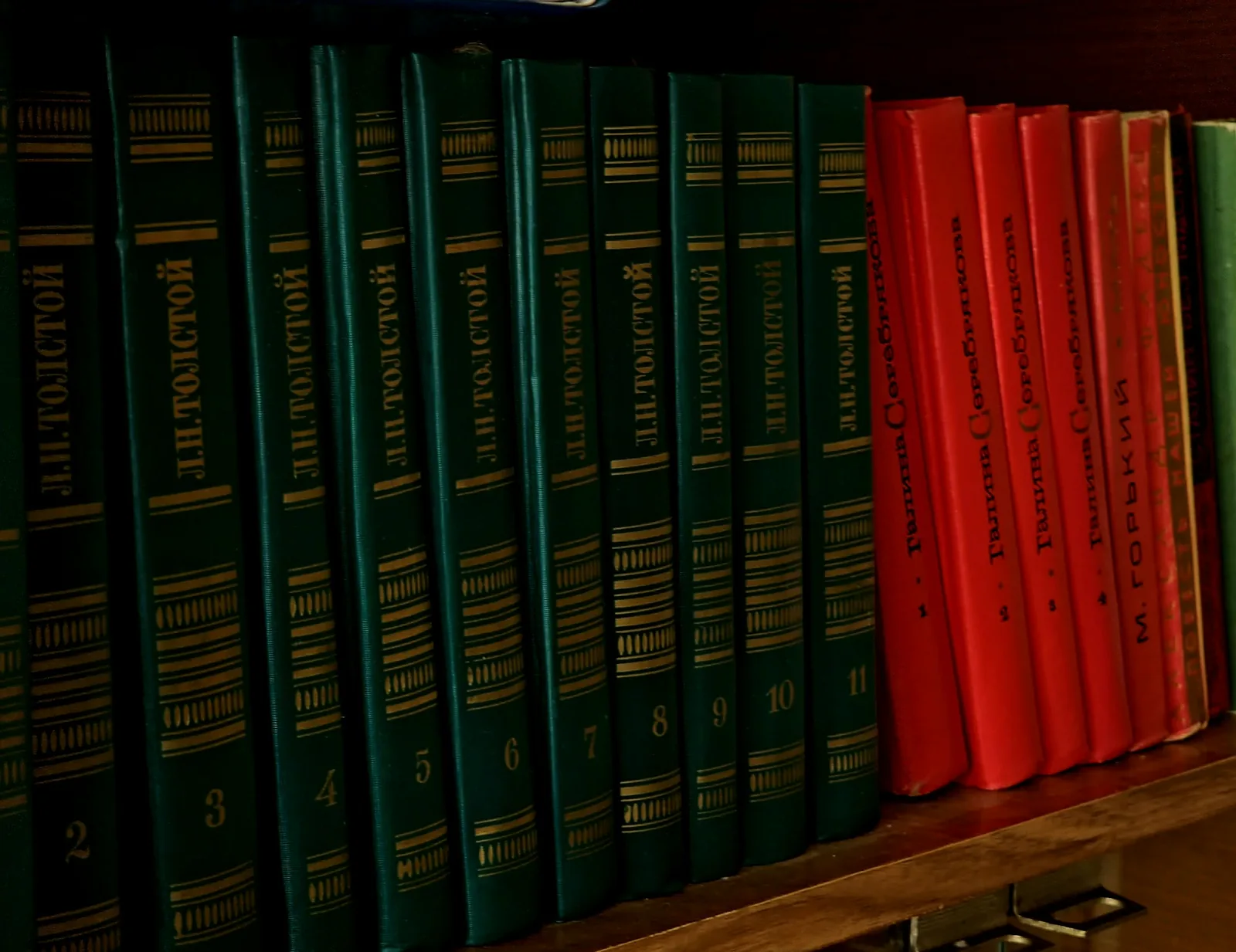
Most old encyclopedia sets, and most stacks of National Geographic, draw little interest from buyers today, because so many families bought them and kept them. They can still carry real family meaning. Older or unusual books and specialty magazine runs are different, so let someone look before anything is recycled.
It is one of the hardest shelves in the house to clear. A matching set of encyclopedias, the gold lettering still bright on the spines, and beside it decades of yellow-bordered magazines. Your parents paid for those books, maybe a little at a time, and kept every issue for a reason. It feels wrong to call any of it common.
So here is the honest answer, offered kindly. Most encyclopedia sets and most National Geographic stacks draw little interest from buyers today, because nearly every family kept theirs. A few books and magazines on the same shelves are different. This guide helps you find those, decide what to keep, and let the rest go without guilt.
Are old encyclopedias worth anything?
Most 20th-century encyclopedia sets draw little interest from buyers, because so many were sold and kept. What they hold today is mostly personal meaning. Older or unusual sets, and individual books on a specialty subject, are the ones to set aside for a look.
That gap between meaning and market has a history. When Encyclopaedia Britannica announced it was going all digital in 2012, NPR noted, quoting The New York Times, that in the 1950s and 1960s a set on the bookshelf was a goalpost for an aspirational middle class, often a financial stretch that families paid for in monthly installments. The same report said print reference books had been almost completely wiped out by the internet.
The local signal is just as clear. As of November 2026, the Madison Public Library's donation guidelines list encyclopedias and dictionaries among the items it is unable to accept, "due to space limitations and lack of demand." None of that erases what the set meant at home. When you are ready to talk about the rest of the house, our sell with us page is the place to start.
Old National Geographic magazines: why the stack is so common
If you are wondering what old National Geographic magazines are worth, start with how many people kept them. In a 2022 National Geographic article about the family that ran the Society, Gilbert M. Grosvenor, the Society's retired president and chairman, recalls Ronald Reagan joking at a 1984 building dedication, "I guess you have trouble storing your old National Geographics, too." Grosvenor's own line says the rest: "Most of our members would never throw an issue away."
The same article shows a printing plant in Corinth, Mississippi, new in 1977, that was custom-built to produce millions of copies each month, and notes that even in this digital age, many homes have sagging shelves of the yellow magazine. Millions printed and nearly all of them saved is the recipe for a common collectible. That doesn't make the stack worthless to you; it makes it ordinary to buyers.
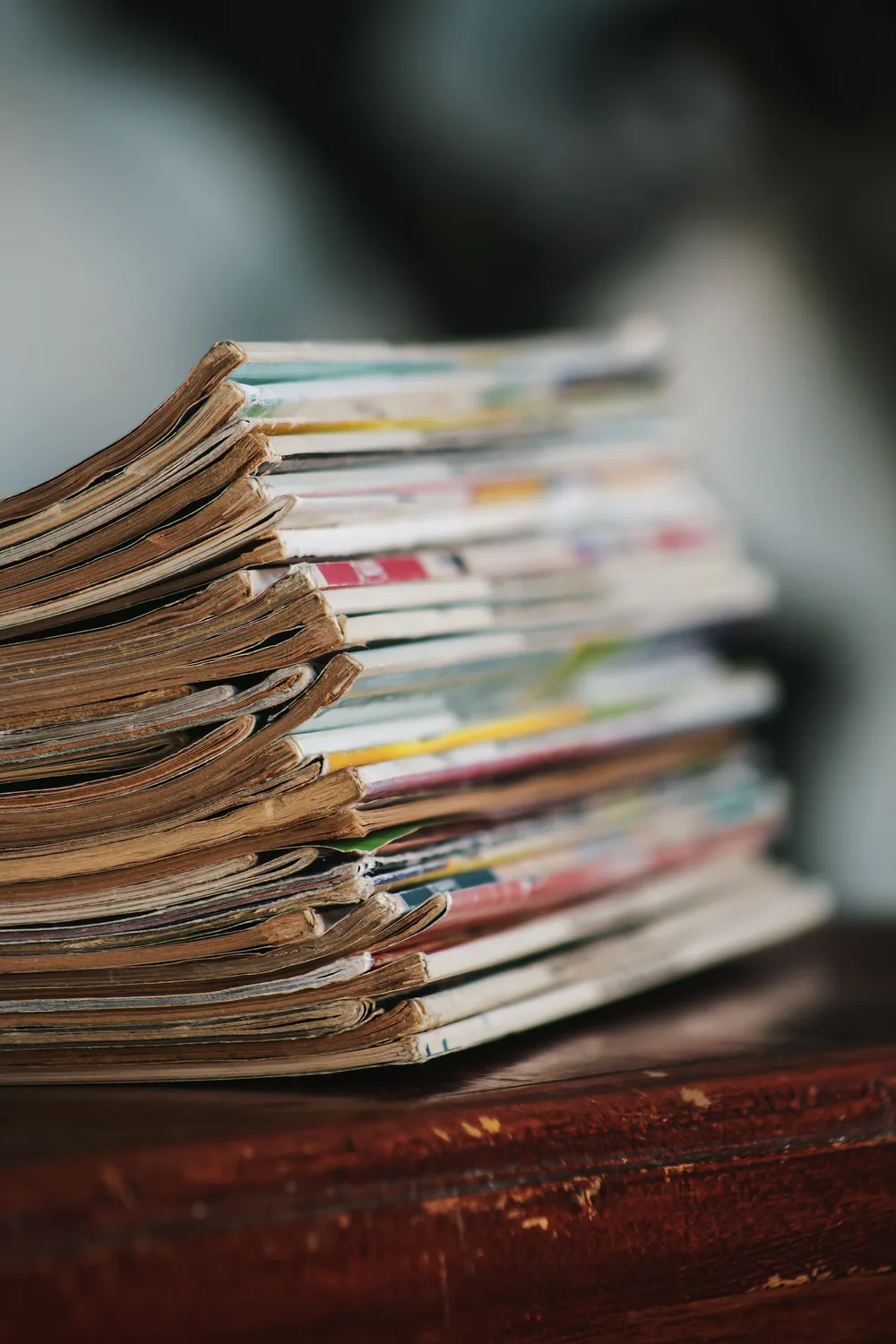
Before the stack goes anywhere, flip through it. Families tuck letters, photos, recipes and clippings into magazines and books, and those can matter far more than the paper around them. Our guide to Swedish death cleaning has gentle advice on sorting a lifetime of saved things.
Old books worth money: what sets one apart
A few old books on the same shelves can be different, and the reasons are subject, scarcity and condition. The Library of Congress, in its answer on what a book is worth, says condition is a major factor in determining value, and that books are generally worth much less if their condition has been compromised. The Library also notes that it does not put a price on books itself.
In our editorial judgment, the books that deserve a second look are the ones that weren't on every family's shelf: local and Wisconsin history, specialty hobby and trade books, maps and atlases, children's books from earlier decades, and anything signed or inscribed by someone notable. A book's age alone doesn't decide it, and neither does how much it once cost.
Books often go into a sale together rather than one by one. Our August 2026 sale, for example, offered Lot 271, a Star Wars Episode I visual dictionary with a Roy Rogers book the listing dates to 1946, as a single lot. If your shelves hold the kinds of books listed above, keep them out of the recycling box until someone has looked.
The shelf triage: keep, give, consign, recycle
Here is the sort we suggest for a full shelf of encyclopedias, magazines and books. It is our editorial guide, not a measurement, and it works best when the whole family has a say before anything leaves.
| Box | What goes in it | Why |
|---|---|---|
| Keep | Volumes with a name, notes or pressed flowers inside; issues from a birth year; anything a family member asks for | Meaning is the real value here, and one volume can stand for the whole set |
| Give | Clean, complete sets and magazine runs nobody in the family wants | A teacher, crafter or reader may use them; call ahead, since some libraries, Madison's included, can't take encyclopedias |
| Consign | Older or unusual books, local history, specialty hobby magazines, maps, signed books | These are the pieces a buyer may be looking for; let an auctioneer see them first |
| Recycle | Water-damaged, moldy or musty volumes, and duplicates of common sets | Damaged books rarely interest anyone; check your hauler's rules for hardcovers |
If you keep a set, store it where books last. The Library of Congress guide to storing books advises against basements, attics and garages, and calls a cool, relatively dry room safe for most books. For the rest of the house, our estate cleanout guide explains why nothing should be tossed before someone has looked.
Specialty magazines are a different story
General-interest magazines were printed for everyone. Hobby and club magazines were printed for a smaller circle, and that circle is who looks for them. Model trains and railroadiana are a real category in our past catalogs, and railroad magazines have come along with them.
Our August 2026 sale, for example, offered Lot 314, 50 North Western Lines magazines from the 1970s through the 2000s, and, as Lot 315, a box of Model Railroader issues from 1985 into the 1990s. Runs like these are made for hobbyists, a very different audience from the one for a stack of general magazines. If the shelves sat next to a train layout, our guide to Lionel trains value is the next read.
Before the boxes leave the house
A few minutes now can save a regret later. Here's the order we suggest:
- Let the family choose first. One volume, one issue or one bookplate can carry the memory of the whole set.
- Check between the pages. Look for letters, photos, papers and keepsakes before anything is boxed.
- Leave books as they are. Don't tape spines, erase notes or remove bookplates from old encyclopedias or anything else.
- Set aside the unusual. Older books, local history, hobby magazines, maps and signed copies go in their own box.
- Photograph the shelves. A few pictures help an auctioneer tell you quickly what deserves a closer look.
- Then call before recycling. Describe the shelves on our sell with us page, or call Marv Dorshorst, Registered Wisconsin Auctioneer #344, at (608) 628-1631.
If you are moving a parent to a smaller place, our downsizing guide covers how to decide what comes along. A shelf of books is a lot of memory to sort. Taking it one box at a time is enough.
Common questions
What can I do with an old set of encyclopedias?
Start by letting family members keep a volume or two for memory's sake. Then check whether a school, teacher, crafter or charity wants the set, calling ahead because some libraries, including Madison's, can't accept encyclopedias. Damaged or musty volumes can be recycled where your hauler allows. Set aside anything unusual or much older for an auctioneer to see first.
Are old National Geographic magazines worth anything?
Most stacks draw little buyer interest because the magazine printed millions of copies a month and members rarely threw an issue away, as National Geographic's own reporting recalls. The value is usually personal. Before recycling, flip through for letters, photos and clippings, and keep any issue that marks a family birthday or a favorite trip.
Will a library take my old encyclopedias?
Often not. As of November 2026, the Madison Public Library lists encyclopedias and dictionaries among the items it is unable to accept, citing space limitations and lack of demand. Other libraries set their own rules, so call before you load the car. Some schools, churches or crafters may welcome a set, but ask first.
Which old books are worth money?
Books that were never on every family's shelf get the closest look: local and Wisconsin history, specialty hobby and trade books, maps and atlases, earlier children's books, and signed or inscribed copies. Condition matters a great deal; the Library of Congress calls it a major factor. Age alone or a high original price doesn't decide it.
Is a complete set of encyclopedias worth more than a partial one?
A complete set is more useful to a reader than a partial one, but completeness alone rarely makes a common 20th-century set sought after, because so many complete sets survive. Keep a set together while you decide, note the year and publisher on the spine, and let an auctioneer see anything older or unusual.
How should I store old books I decide to keep?
Keep them out of basements, attics and garages, which the Library of Congress warns against because of unsuitable temperature and humidity and the risk of leaks and floods. A cool, relatively dry room in the living space is safe for most books. Shelve volumes upright with support, and leave any notes or bookplates exactly where you found them.
Sources
- After 244 Years In Print, Encyclopaedia Britannica Goes All-Digital, NPR (reporting, March 13, 2012)
- Book Donations, Madison Public Library
- New memoir tells the inside story of National Geographic's founding family, National Geographic (September 13, 2022)
- How much is my book worth? (Ask a Librarian), Library of Congress
- Preserving Your Books: Storing Your Books, Library of Congress