
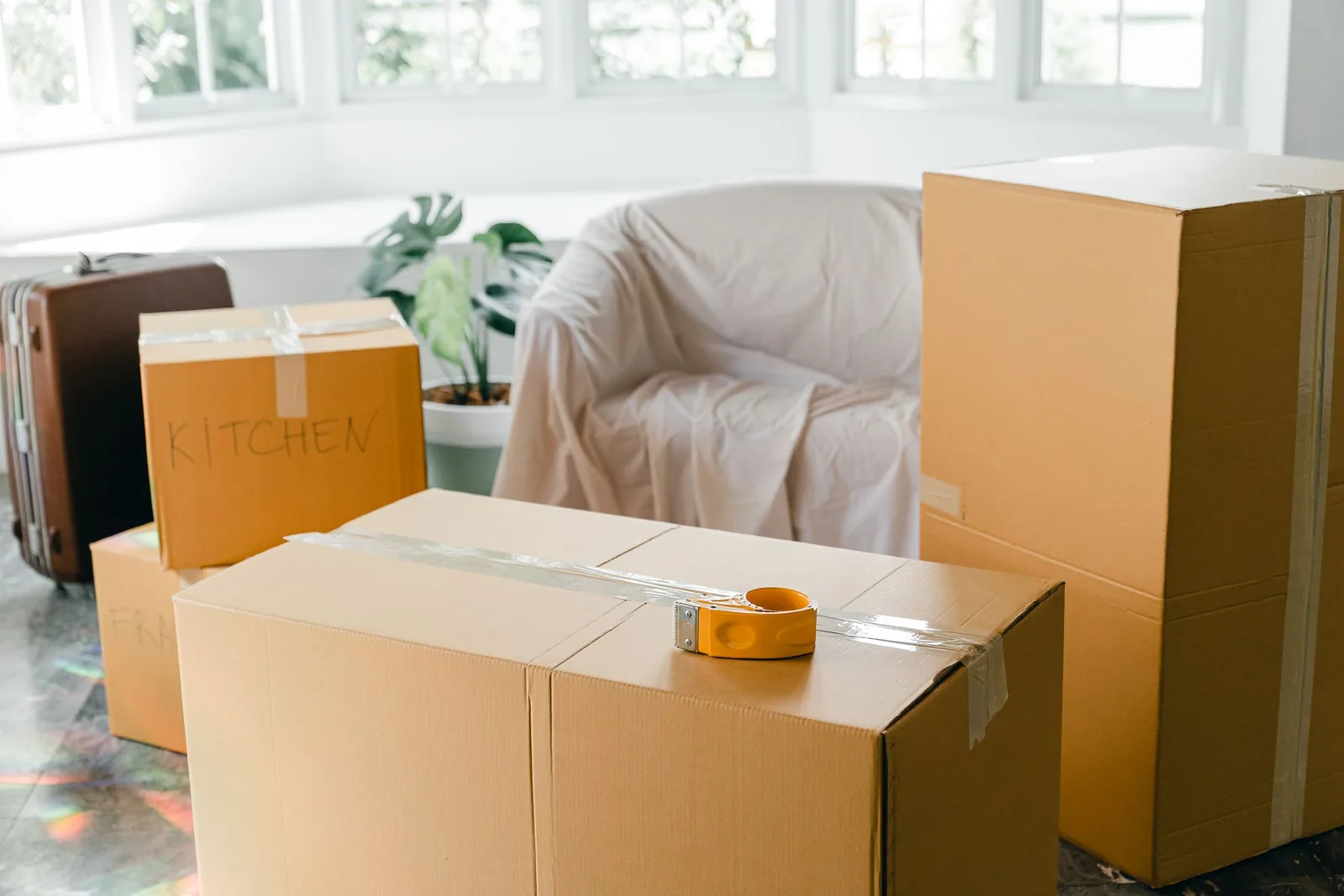
An estate cleanout is the work of emptying a home after a death or a move, and estate cleanout services are the crews hired to haul, donate and dispose of what's left. Hire the haul last. Papers, family picks, a look from an auctioneer and the sale all come first, so less goes to the curb.
An estate cleanout is the job of emptying a house after the owner dies or moves into care: every room, closet, basement shelf and outbuilding, until the place is empty enough to sell, rent or hand back. Most families do it while they're also handling a funeral, a will and a house closing.
Search for estate cleanout services and you'll mostly find hauling companies. Their crews load what's left into a truck or a dumpster, drop usable goods at a donation center, take recycling where it belongs and leave the rooms bare. That's real work, and sometimes it's the right call. The question is when you make it.
Our answer: the haul is the last call, not the first. A crew is there to empty the house, not to decide which box of old paper a collector would bid on. Whatever goes out first is gone for good, so the order of the work matters more than the speed.
What estate cleanout services do, and what to ask first
Estate cleanout services clear what's left in a home. They separate donations, haul the rest to recycling or disposal and leave the rooms empty; some also clean. Before a crew starts, ask in writing what happens to papers, photographs and anything that might sell.
Speed is the usual pitch, and speed helps once the decisions are made. Before that, it's how a family loses a parent's tax records, a coffee can of old coins or the only print of a wedding photo.
One question comes before any of it: who is allowed to decide. The person who can sign a contract to clear or sell a parent's belongings depends on whether there's a will, a probate case or a small estate, and our guide to transfer by affidavit in Wisconsin explains how the small estate route works. If a parent is moving rather than passing, the same order applies, and our downsizing tips for seniors start with the next home's floor plan.
The haul is the last call: an estate cleanout in six steps
This order is our editorial guide, not a rule from any agency. It rests on one point: nothing leaves the house until the people who might want it, or might pay for it, have seen it.
- Secure papers and valuables. The will, deeds, vehicle titles, bank and retirement statements, insurance policies, tax returns, keys and recent mail go in one box that leaves with the person handling the estate. Check pockets, drawers and the pages of books as you go.
- Let family choose. Give each heir a written list and a deadline, and photograph what each person takes so the estate has a record.
- Have the contents looked at before anything is thrown out. Our standing request at Dorshorst Auctions is simple: don't throw anything away until we've looked at it, because the things people assume are junk are often the ones that draw the most attention.
- Run the sale. Every lot is numbered, described and photographed, bidding runs online through HiBid for roughly a week, and winning bidders collect their lots in a posted pickup window. We run about seven or eight sales a year, so call early if a closing date is set.
- Donate what didn't sell. Ask each charity for a receipt at drop-off (more on that below).
- Then call the haul. Now the crew is quoting on what's actually left, and the recyclables and hazardous leftovers are already set aside.
Run it in the opposite order and you can see what happens: the dumpster arrives first, the sorting happens in the driveway, and whatever nobody had time to open goes to the landfill. Wisconsin won't take some of it there anyway, which we'll get to.
What not to throw away when cleaning out a parent's house
The things families toss first are usually the ones that look like clutter: old paper, loose coins, rusty tools, old crocks. In our catalogs, those are categories with real followings. Set these aside until someone who knows has seen them. Our guide to how an estate auction works explains what happens after that walkthrough.
Paper, photographs and maps
Photo albums, postcards, maps, railroad paperwork, old advertising and signed prints. Our August 2026 sale carried albums of vintage Chicago and North Western railroad photos and a Hearne Brothers wall map of Greater Madison and Dane County from the 1950s or earlier. Family photographs belong with family first; scan them before anyone divides them up.
Coins, jewelry and small metal
Coffee cans of pennies, rolls in a dresser drawer, a ring in a soap dish, a tin of tokens. Coins and currency turn up in our catalogs regularly: Buffalo nickels, wheat pennies, Peace silver dollars, silver certificates and US proof sets.
Garage, basement and barn
Hand planes, handsaws, measuring tools, socket sets, stoneware crocks, farm toys still in the box, model trains in the attic. Stanley, Disston, Starrett, Snap-on, Ertl, Lionel, Rowe Pottery and Rockdale Union stoneware are names that show up in our catalogs again and again. If you're not sure about something, leave it where it is.
Wisconsin rules for the last load of an estate cleanout
Even the final haul has rules here. Wisconsin's recycling law, Wis. Stat. 287.07, bans major appliances, lead acid batteries and a list of electronics from landfills and incinerators, and keeps waste oil and tires out of landfills too. The same statute bars putting cardboard, newspapers, magazines, office paper and bottles and cans in a trash container headed for a landfill.
In a parent's house, that means the TV, computer, monitor, printer, DVD player, cell phone, refrigerator, washer and dryer can't just go in the dumpster. Households can recycle electronics through E-Cycle Wisconsin, the state's collection program; fees vary by site, so call ahead. The same DNR page warns that deleting files won't clear a device, so wipe computers and phones first.
The basement shelf of paint, stain, solvents, weed killer and motor oil is household hazardous waste. The EPA advises keeping each product in its original, labeled container and never mixing leftovers, so don't pour cans together to save trips. If the house is in Dane County, Dane County Clean Sweep in Madison takes household hazardous waste for a per-trip fee and asks you to schedule large drop-offs in advance, which a full basement may well be.
| What's left | The rule | Where it goes |
|---|---|---|
| TV, computer, monitor, printer, phone, DVD player, VCR | Banned from landfills and incinerators (Wis. Stat. 287.07) | An E-Cycle Wisconsin collector, after the data is wiped; Clean Sweep takes them from Dane County residents (TVs and monitors for a fee) |
| Refrigerator, freezer, dehumidifier, microwave | Major appliances are banned from landfills | An appliance recycler; Clean Sweep takes these from Dane County households for a fee |
| Washer, dryer, stove, water heater | Major appliances are banned from landfills | An appliance recycler; Clean Sweep does not take them |
| Oil-based paint, stain, solvents, pesticides, antifreeze, motor oil, old gas | Household hazardous waste: original containers, never mixed | Dane County Clean Sweep or your own county's program |
| Dried latex paint | Not accepted at Clean Sweep | Regular garbage, per Dane County |
| Medication | Not accepted at Clean Sweep | Plan a separate drop-off |
| Cardboard, newspapers, bottles and cans | Kept out of landfill-bound trash (Wis. Stat. 287.07) | Your municipal recycling |
Rules and accepted items as read on the official pages in November 2026. Fees, hours and lists change; Clean Sweep asks for proof of Dane County residency for electronics.
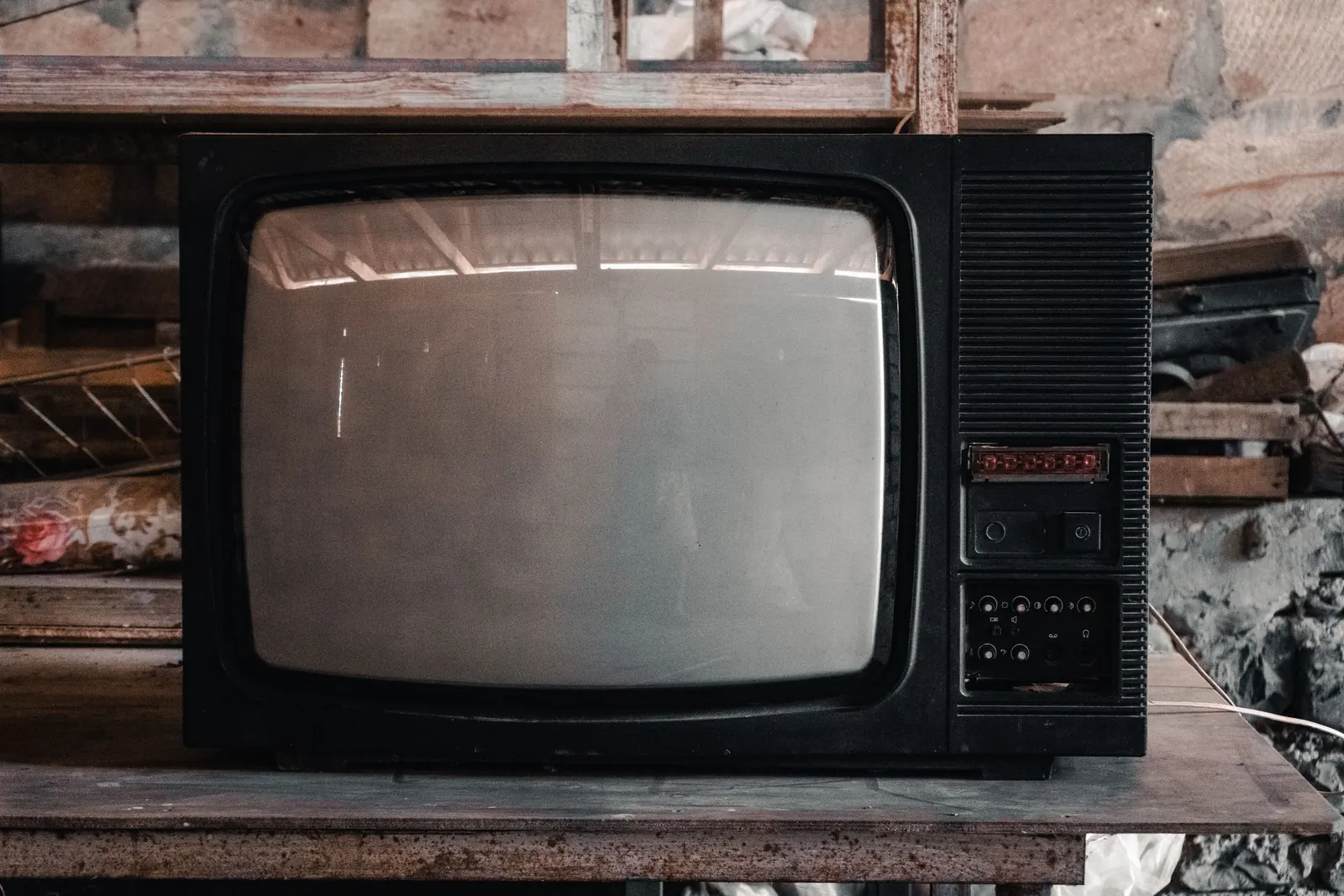
None of this is a reason to skip the sale. A working stereo receiver or a set of speakers may well be a lot in a catalog before it's ever an e-waste question, which is one more reason to have the contents looked at first.
Donating what didn't sell
Call each charity ahead with a list, since every one sets its own rules about what it accepts. Keep the receipts. If the estate or a family member plans to deduct the gift, IRS Publication 526 says clothing and household items (furniture, electronics, appliances and linens) generally must be in good used condition or better, and for a noncash gift under $250 it expects a receipt showing the charity's name and address, the date and location, and a description of what was given.
Whether a deduction applies at all is a question for the estate's tax preparer, not for us. If you haven't had the contents looked at yet, do that before the donation run; a seller consultation is free.
When to talk to the estate's attorney or personal representative
Talk to them before the estate cleanout starts if any of these are true:
- No one has legal authority yet: no personal representative appointed and no small estate transfer completed.
- Heirs disagree about who gets what, or someone has already started taking things.
- The will leaves specific items to specific people.
- A house sale, a lease or a care facility has set a move-out date.
- There are vehicles, boats or anything else with a title.
- The estate may owe debts that have to be settled before heirs receive anything.
This is general information, not legal advice. Our guide to Wisconsin's transfer by affidavit covers small estates; beyond that, the personal representative and the estate's attorney decide what can be sold, given away or thrown out, and when.
Common questions
What do estate cleanout companies do?
Estate cleanout companies empty a home after a death or a move. Crews load what's left into a truck or a dumpster, drop usable goods at donation centers, take recyclables and hazardous items where they belong and leave the house empty. Ask what they do with papers, photographs and anything that might sell before they start.
How soon should you clean out a house after someone dies?
Usually not before someone has legal authority over the estate, and not before papers and valuables are secured. Deadlines from a lease, a care facility or a house sale can set the pace, but the haul itself should come last, after family picks, an auction walkthrough, the sale and donations.
Can I throw away an old TV or refrigerator in Wisconsin?
No. Wisconsin law bans major appliances and many electronics, including TVs, computers, monitors and printers, from landfills and incinerators. Households can recycle electronics through E-Cycle Wisconsin collectors, where fees vary by site. Dane County Clean Sweep also takes electronics, refrigerators and freezers from Dane County residents, with a fee for TVs, monitors and each refrigerator or freezer.
Where do I take old paint and chemicals in Dane County?
Dane County Clean Sweep in Madison accepts household hazardous waste such as oil-based paint, stains, solvents, pesticides, antifreeze and motor oil for a per-trip fee, and asks you to schedule large loads ahead. Keep everything in its original labeled container. Dried latex paint goes in the regular garbage, and medication is not accepted.
What should I keep when cleaning out a deceased parent's home?
Keep every paper that touches money, property or identity: the will, deeds, titles, statements, insurance, tax returns, keys and recent mail. Set aside photographs, letters and anything family has asked about. Then leave coins, tools, trains, pottery, prints and old paper in place until an auctioneer has seen them.
Does Dorshorst Auctions do estate cleanouts?
Bring the cleanout up at your consultation with Marv. Our part is the sale: cataloging, photographing and selling the contents online through HiBid, with buyers collecting their lots in a posted pickup window. How the last items get cleared depends on the property and your timeline, so talk it through before the sale.
Who has the right to clean out a deceased person's house?
Generally the personal representative appointed in probate, or the person who collects the property through a small estate transfer, controls what is sold, given away or discarded. Family acting without that authority can create problems. Read our guide to Wisconsin transfer by affidavit, and ask the estate's attorney when unsure.
Sources
- Wis. Stat. 287.07, Prohibitions on land disposal and incineration, Wisconsin State Legislature
- How to recycle electronics in Wisconsin (E-Cycle Wisconsin), Wisconsin Department of Natural Resources
- Household Hazardous Waste (HHW), U.S. Environmental Protection Agency
- Dane County Clean Sweep, Dane County Department of Waste & Renewables
- Publication 526, Charitable Contributions, Internal Revenue Service