
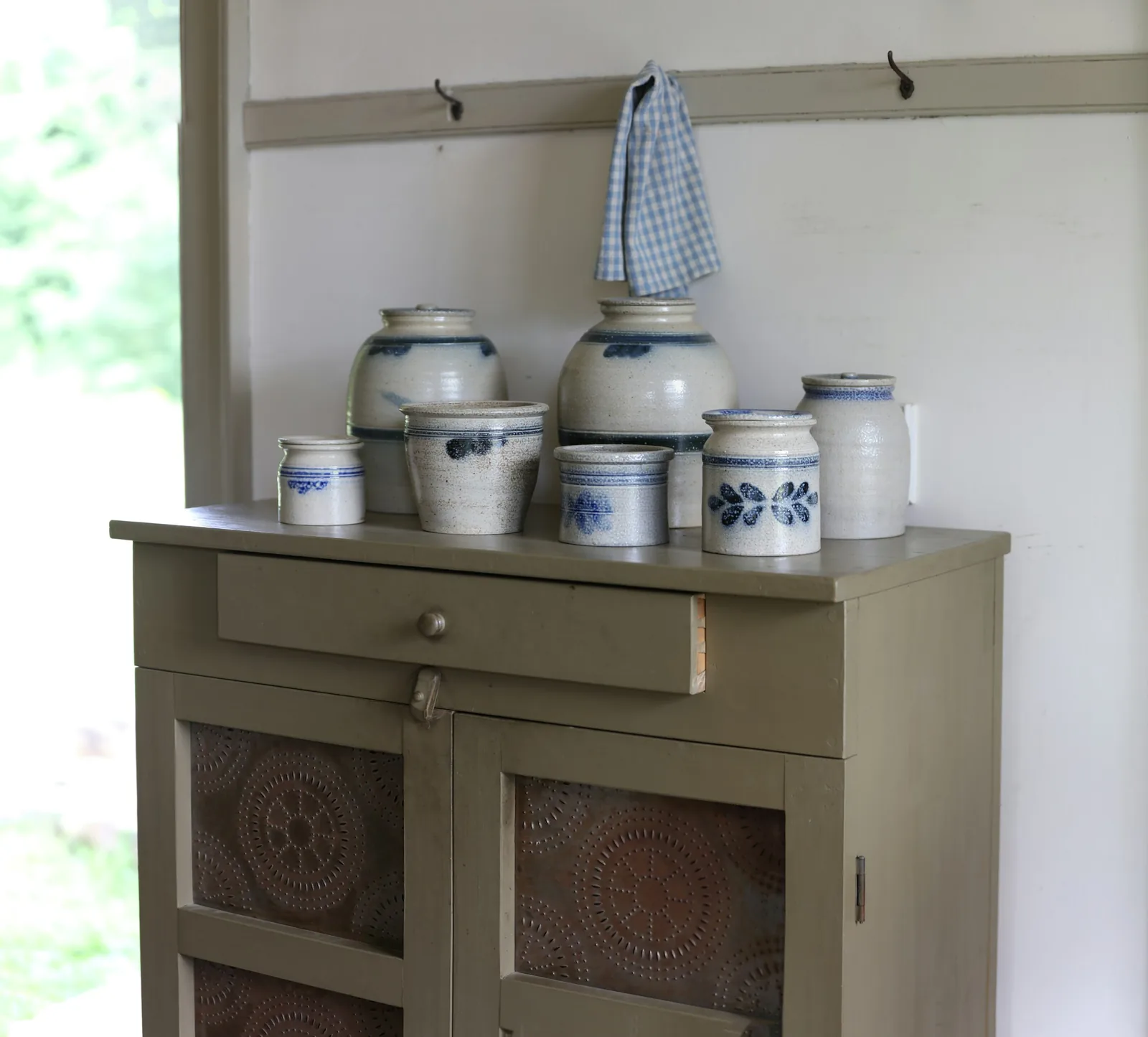
An estate auction sells the contents of a household, one lot at a time, to the highest bidder, usually after a death, a move or a downsizing. Many now run online, with every lot photographed, bidding open for several days and buyers collecting in a posted pickup window. The family gets one sale and one accounting.
An estate auction sells a household's contents to the highest bidders, one lot at a time. A registered auctioneer catalogs the goods, runs the bidding and settles up with the estate. Families usually call for one after a death, a move or a downsizing.
Wisconsin's commercial code treats each lot as a separate sale, so one sale is really hundreds of small sales, each with its own winning bid. What has changed is the setting. At Dorshorst Auctions, all bidding runs online through HiBid, and the goods sit either at our Deerfield auction building or at the estate itself when the property is too large or too fragile to move.
It's also not the same thing as an estate sale, where someone prices everything and opens the house for a few days. Our guide to how estate sales work compares the two side by side.
An estate auction is a week, not a day
If you're asking how an estate auction works today, start by dropping the old picture: a farmyard full of folding chairs and one long Saturday of calling bids. The online catalog replaced the folding chairs. In an online estate auction, the public part of the sale runs about a week instead of one afternoon, and the steps before and after it matter as much as the close. That's our editorial judgment, not a rule, but it changes how a family plans.
Here are the stages, adapted from the five steps on our sell with us page:
- A phone call. A short conversation covers what you have, where it is and what your timeline looks like.
- A walkthrough. We look at everything before anything gets discarded.
- Cataloging and photos. Every lot is numbered, described and photographed. On a large estate, this is the long part.
- About a week of bidding. Bidding runs on HiBid and ends on a one minute soft close, so a bid in the final minute pushes that lot's close back another minute.
- A posted pickup window. Buyers collect at the posted time, and small lots ship.
- Settlement. You get a clear accounting of what sold and for how much.
Our August 2026 multi-estate sale shows the shape. The catalog listed 354 lots, bidding opened August 10, lots began closing on a soft close at 5:00 p.m. on August 17, and pickup was posted for Friday, August 21, from 3 to 6 p.m. at the auction building. One week of bidding, one afternoon of pickup.
Wisconsin law backs up the last step. Unless the written contract says otherwise, the auctioneer must give each consignor an accounting and pay what is due within 30 days after the sale.
What sells at an estate auction
Start with the line we repeat to every seller: the items people assume nobody wants are often the ones that draw the most attention. That's why the walkthrough comes before any sorting. Our past catalogs show the categories that come up again and again:
- Model trains and railroadiana: Lionel O gauge sets, Walthers HO kits, Atlas locomotives, railroad lanterns.
- Farm toys and farm equipment: Ertl 1/64 tractors, John Deere farm toys, Tonka steel trucks, pedal tractors.
- Tools: Stanley hand planes, Disston handsaws, Starrett measuring tools, Snap-on sockets.
- Coins and currency: Buffalo nickels, wheat penny rolls, Peace silver dollars, silver certificates.
- Wisconsin pottery and advertising: Rowe Pottery, Rockdale Union stoneware, breweriana, signed prints by Charles Peterson and Lavern Kammerude.
- Guitars, vintage audio, antique furniture and trunks.
Tools from the garage count too. In our September 2026 estate collection sale, a Snap-on road chest (lot 428) sold for $200.00. That is a past result, and it does not include any sales tax or card fee a buyer pays on top. You can see what came through recent sales on our past auctions page.
How to prepare for an estate auction
The best preparation is mostly restraint: don't throw anything out until we've looked at it. Our estate cleanout guide covers what not to throw away in detail. Beyond that, a few steps make the walkthrough go faster:
- Confirm who can sign. Someone with legal authority over the estate signs the auction contract. For small estates, see our guide to transfer by affidavit in Wisconsin.
- Take out what the family is keeping. Heirlooms, photos and anything promised in the will should leave the house, or be clearly marked, before the walkthrough.
- Leave the rest where it is. Drawers, closets, the basement and the garage are all part of the walkthrough.
- Keep the extras with the item. Original boxes, manuals, keys and receipts belong with the piece they came with.
- Don't bid on your own goods. If a seller bids, or has someone bid, without notice, Wisconsin's code lets the buyer cancel the sale or take the lot at the last good faith bid.

How long does an estate auction take?
The bidding on our sales runs about a week. The parts on either side depend on the house: a one bedroom apartment takes far less sorting, numbering and photographing than a farmhouse with a full basement, a shop and outbuildings.
The calendar matters too. We run about seven or eight sales a year, so if you're working against a house closing or a move date, call early and ask at your free consultation what timeline fits. Sellers who want a date can request a consultation, and anyone curious about the next catalog can check the current auction page.
What an estate auction costs, and what to get in writing
Commission is set at the consultation
Sellers pay a commission. We don't publish a rate, because estates differ too much for one number to be honest. It's set at the free, no-obligation consultation, along with how the sale will run, and you have the terms before you commit to anything.
Our sales run with no reserve: a lot that receives bids sells to the highest bidder. Our absolute auction guide explains what that means for a seller.
Check the registration and read the contract
Wisconsin says no one may act as an auctioneer unless registered as an auctioneer with the state. The Department of Safety and Professional Services points anyone to its public LicensE look up to check the status of someone's credential. Marv Dorshorst is Registered Wisconsin Auctioneer #344.
The same chapter requires a written contract with each owner or consignor before the auction, spelling out the terms. Read yours for the commission, the sale dates, how unsold or uncollected items will be handled and when you'll be paid. Those are all fair questions for the consultation.
When to talk to the estate's attorney or personal representative
Before you sign an auction contract, settle the legal questions. We can explain how a sale runs; we can't tell you who inherits what or how proceeds should be divided. Call the estate's attorney or the personal representative first if:
- You aren't sure who has the authority to sign for the estate.
- The will leaves specific items to specific people.
- Heirs disagree about what to sell and what to keep.
- The estate has debts, an open probate case or tax questions.
- You need a formal appraisal for probate, insurance or taxes, which is a job for a qualified appraiser.
This is general information, not legal advice. Once the attorney or personal representative has settled who signs, schedule a walkthrough and we'll take it from there.
Common questions
How does an online estate auction work for bidders?
Bidders register for the sale on HiBid, read each lot's description and photos, and place a bid or a maximum bid that HiBid raises for them in standard increments. Lots close on a one minute soft close, so late bids extend the clock. Winners get an emailed invoice and collect during the posted pickup window.
Is an estate auction the same as an estate sale?
No. At an estate sale, someone prices each item and opens the house for a few days, and buyers pay the tag price. At an estate auction nothing is priced ahead of time: bidders compete lot by lot and the highest bid wins. Our estate sale guide compares the two options in a side by side table.
Should I clean out the house before an estate auction?
No. Take out what the family is keeping, then leave the rest in place until we've walked through it. The items people assume nobody wants are often the ones that draw the most attention, and sorting too early is how they end up in the trash. Bring up the final cleanout at your consultation.
Can I set a minimum price on items at an estate auction?
Wisconsin law treats an auction as one with reserve unless goods are offered without reserve. Our sales run with no reserve, so a lot that receives bids sells to the highest bidder. If you can't let a piece go at the highest bid, tell Marv at your consultation; an auction may not be the right route for it.
How do I check if an auctioneer is licensed in Wisconsin?
Wisconsin's statute calls it registration, and the state generally requires it before anyone acts as an auctioneer. The Department of Safety and Professional Services runs a public LicensE look up where anyone can check the status of a credential. Marv Dorshorst is Registered Wisconsin Auctioneer #344, and you can look that up yourself.
When does the seller get paid after an estate auction?
Wisconsin law says that unless the contract sets other terms, the auctioneer must give each consignor an accounting and pay what is due within 30 days after the sale. Ask about settlement timing at your consultation. Either way, you get a clear accounting of what sold and for how much.
Sources
- Wis. Stat. 402.328, Sale by auction, Wisconsin State Legislature
- Wis. Stat. 480.08, Registration, Wisconsin State Legislature
- Wis. Stat. 480.14, Conduct of auctions, Wisconsin State Legislature
- Auctioneer (AUC), Wisconsin Department of Safety and Professional Services