

Wisconsin probate usually takes several months to a year or more. Creditors get a claims window of 3 to 4 months, informal estates are expected to close within 12 months of opening, and an estate still open 18 months after the petition faces a show-cause order unless the time was extended.
If you've been named personal representative, or you're the sibling waiting on one, the question comes up early: how long is this going to take? The honest answer is a range, but Wisconsin law and court practice put real dates on it, and once you know them you can plan the rest, including when the house can be emptied and sold.
This is general information, not legal advice. We're an auction company, and our interest is practical: a sale of the household usually has to fit inside the estate's timeline, not the other way around.
How long does probate take in Wisconsin? The short answer
Wisconsin probate lasts at least as long as the creditor claims window, 3 to 4 months from the court's order, and an informal estate should close within 12 months of opening. Large or contested estates can run two years or longer.
The State Bar of Wisconsin's consumer pamphlet on probate puts it plainly: the process can take two years or longer for a large or contested estate, but may last up to six months even for a small, uncomplicated one. It lists what drives the difference: the size of the estate, the type of assets and how they're owned, tax issues, creditors' claims, marital property questions and whether a business is involved.
Some estates skip the court process entirely. If the Wisconsin property subject to administration is small enough, a sworn affidavit may do the job; our guide to transfer by affidavit in Wisconsin covers who can use it.
The 4-12-18 map of a Wisconsin probate
Here's a shorthand we find useful, and it's our editorial summary, not a legal rule: 4, 12 and 18. Four months is about the earliest an estate can close, 12 months is when an informal estate is expected to be done, and 18 months is when the court starts asking why it isn't.
| Marker | What happens | Where it comes from |
|---|---|---|
| 3 to 4 months | Deadline for creditors to file claims, set by order when administration is filed | Wis. Stat. 859.01 |
| 6 months | Inventory due after the personal representative is appointed, unless the deadlines notice shortens it or an extension lengthens it | Register in Probate Association guide |
| 12 months | An informal estate should be closed within 12 months of opening | Register in Probate Association guide |
| 18 months | No final judgment or closing statement and no extension: an order to show cause | Wis. Stat. 863.35 |
Our editorial summary, as of November 2026, of the statutes and the Wisconsin Register in Probate Association's guide (revised November 2025). The Notice of Estate Administration Deadlines your county issues controls.
Under Wis. Stat. 859.01, the deadline for claims is set not less than 3 nor more than 4 months from the date of the order, which is why even a simple estate can't wrap up in a few weeks. The Wisconsin Register in Probate Association's guide to informal estate administration says an estate can close any time after that claims date has passed and should close within 12 months of the date it was opened; the State Bar notes that several counties use the same 12-month benchmark.
The 18 months comes from Wis. Stat. 863.35, the dormant estates statute. It counts from the filing of the petition, not from the death. If a formal estate has no final judgment by then, or an informal one hasn't been closed by sworn affidavit, and no extension is in place, the judge or probate registrar orders the personal representative to show cause. Extensions are available by petition, and the guide lists the forms (PR-1833 and PR-1834).
The Wisconsin probate process, in nine steps
Informal administration is supervised by the county's registrar rather than a judge. Here's the sequence as the registrars' guide lays it out, in summary:
- Find the will and deliver the original to the court; our checklist for when a parent dies covers Wisconsin's 30-day rule.
- Choose the route: transfer by affidavit, summary settlement or summary assignment for small estates, informal administration, or formal administration before a judge.
- File the application in the county where the person was domiciled when they died, using the state's mandatory forms, starting with the Application for Informal Administration (PR-1801).
- Get appointed. The registrar issues Domiciliary Letters, which show others you can act, and a Notice of Estate Administration Deadlines.
- Notify creditors by newspaper publication and by mail to known creditors, then wait out the claims deadline.
- File the inventory, a snapshot of the fair market value of the assets on the date of death, generally within 6 months of appointment.
- Pay claims and taxes, including final returns and the Wisconsin Department of Revenue's closing certificate for fiduciaries.
- Distribute and document. Collect a signed receipt from each person who receives property, and prepare a final estate account.
- File the statement to close the estate. If nothing is pending six months after it's filed, the personal representative's appointment ends.
Informal vs. formal administration
The State Bar's pamphlet sums up the difference: a judge presides over formal administration, while the county's register in probate supervises informal administration. Formal administration is generally required when the will has contested issues, an attorney must represent the personal representative in it, and informal administration costs less. Only the attorney can tell you which fits your family, and our guide to estate auctions explains how the selling side works under either one.
What slows a Wisconsin probate down
Most delays trace back to a short list:
- The original will can't be found, or its validity is questioned.
- Heirs won't sign the waiver and consent, or someone demands formal administration.
- A creditor's claim is disputed, which takes a judge and an attorney.
- Real estate has to be sold, or there's property in another state.
- A business or farm has to be run or wound down in the meantime.
- Final income tax returns, the estate's own returns and the closing certificate take time.

Taxes are usually the least dramatic of these. Wisconsin has no inheritance tax or estate tax for recent deaths; our guide to Wisconsin inheritance tax explains what still applies.
Selling the household during probate
The registrars' guide is frank that a personal representative may be converting assets to cash along the way, and the furniture, tools and collections in a house are often a large share of the work, if not of the money. Three things help.
- Wait for the letters. In a probate estate, Domiciliary Letters are what show others the personal representative can act, so until they're issued it isn't clear anyone can sign a consignment agreement for the estate. If something can't wait, ask the attorney.
- Ask the attorney about the inventory. It lists date-of-death values, and how household goods are valued for it is a question for the attorney, not the auction company.
- Keep the record clean. The final estate account records what came into the estate and what went out, so one sale with one accounting is easier to report than a summer of driveway sales.
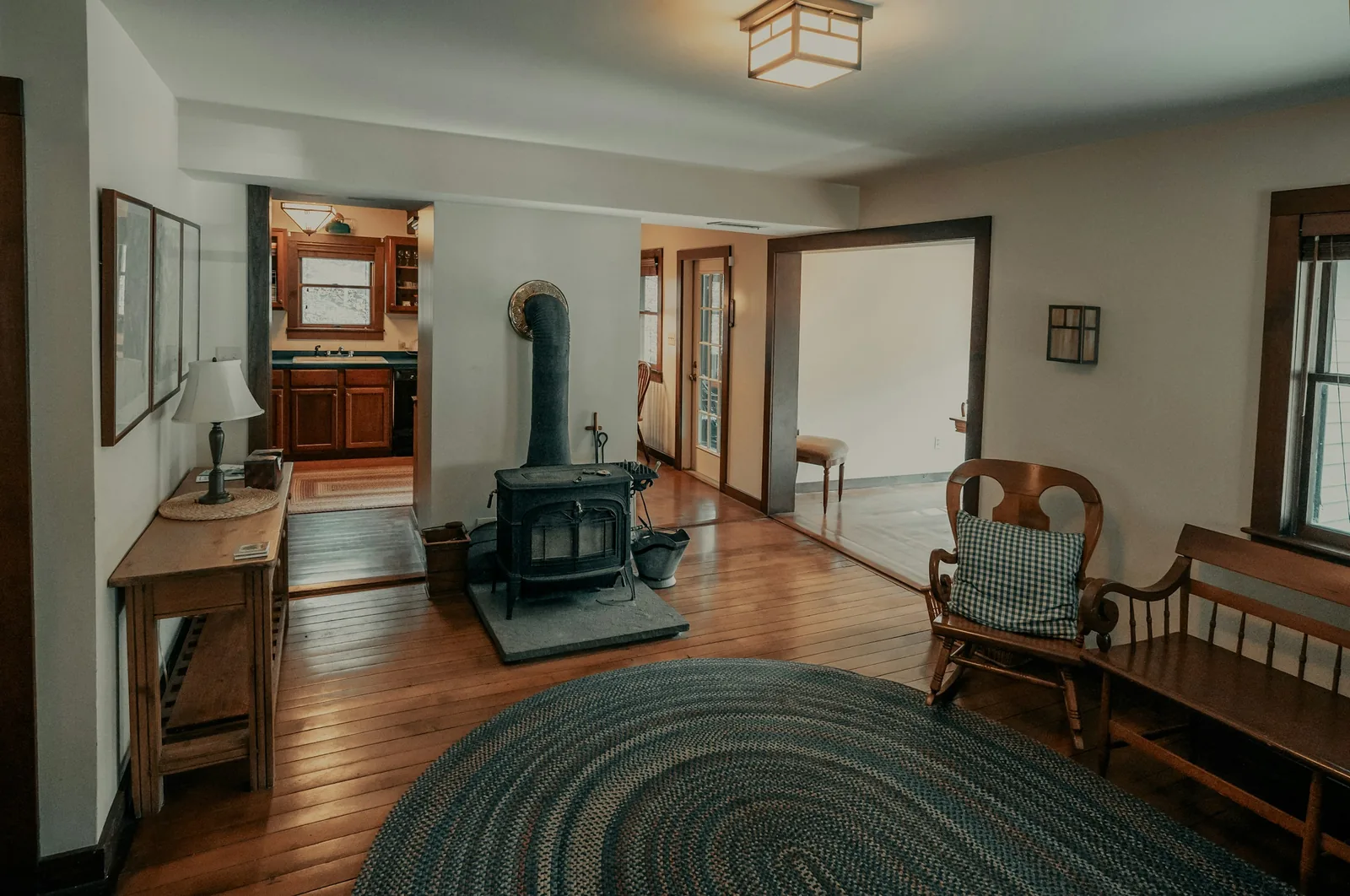
Here's how a sale with us fits. After a walkthrough, every lot is numbered, described and photographed, bidding runs online through HiBid for roughly a week, buyers pick up in a posted window, and the estate gets a clear accounting of what sold and for how much. Don't throw anything away or clean anything before that walkthrough. Start with a free consultation once the letters are in hand, or before, if you want to plan the timing.
When to talk to the estate's attorney or personal representative
The registrars' guide reminds readers that registrars can't give legal advice, and neither can we. Talk to the estate's attorney before you act when:
- You're not sure which route fits: affidavit, summary procedure, informal or formal.
- An heir disagrees with the will, the plan or the choice of personal representative.
- A creditor's claim looks wrong or too large.
- The 12-month mark is coming and the estate isn't ready to close.
- There's real estate, a farm, a business or property in another state.
- You're asked to value household contents for the inventory.
If you're a family member rather than the personal representative, take your questions to the personal representative first. When the estate is ready to sell, tell us what's in the house.
Common questions
What is the minimum time for probate in Wisconsin?
An estate can't close before the creditor claims deadline passes, and Wis. Stat. 859.01 sets that deadline 3 to 4 months from the court's or registrar's order. Add time for publication, the inventory and closing papers, and the State Bar of Wisconsin says even a small, uncomplicated estate may take up to six months.
Does Wisconsin have a deadline to close an estate?
Yes, two markers matter. The Register in Probate Association's guide says an informal estate should close within 12 months of opening. Under Wis. Stat. 863.35, an estate still open 18 months after the petition was filed, with no extension, triggers an order to show cause. Extensions are available by petition.
Do I need a lawyer for probate in Wisconsin?
Not for informal administration: the Register in Probate Association's guide says Wisconsin statutes don't require one, though you can hire one at any point. Formal administration does require an attorney, and so does a disputed claim before a judge. Registrars can explain the forms but can't give legal advice, so at least one meeting with an attorney is worth having.
Can you sell a house's contents before probate is finished?
Often, yes, once a personal representative has been appointed and holds Domiciliary Letters showing authority to act. Selling before anyone has authority is the problem. Ask the estate's attorney about timing and about how household goods are valued for the inventory, then plan the sale so it lands inside the estate's deadlines.
Where do you file probate in Wisconsin?
In the county where the person was domiciled, meaning where they lived, at the time of death. If they didn't live in Wisconsin, an informal application can be filed in any Wisconsin county where their property is located. The county's register in probate handles informal administration, and a probate judge handles formal administration.
How long do creditors have to file a claim against an estate in Wisconsin?
Wis. Stat. 859.01 has the court, or the probate registrar in informal administration, set a claims deadline by order, not less than 3 nor more than 4 months from the date of that order. Claims not filed by the deadline are generally barred, with exceptions set out in the statute that follows it.
Sources
- Probate (consumer pamphlet), State Bar of Wisconsin
- A Guide to Informal Estate Administration in Wisconsin, Wisconsin Register in Probate Association, via the Wisconsin Court System
- Wis. Stat. 859.01, Time for filing claims, Wisconsin State Legislature
- Wis. Stat. 863.35, Dormant estates, Wisconsin State Legislature