To sell a coin collection, leave it the way you found it: don't clean the coins, don't sort out the common ones, and don't break up mint or proof sets. Make a simple inventory, confirm you have the authority to sell, then consign it whole to an auction where collectors compete for it.
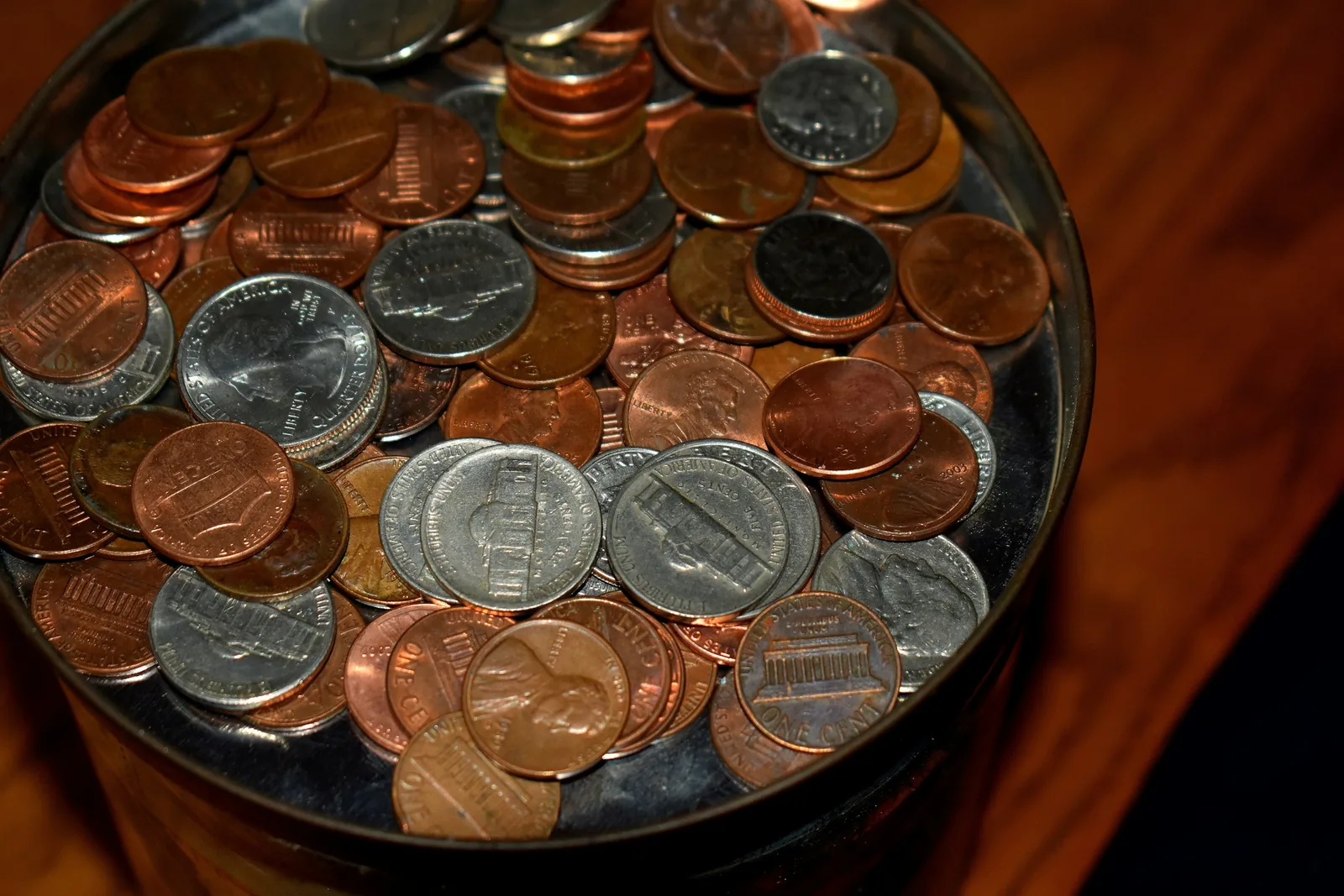
Most coin collections don't arrive with instructions. They turn up in a dresser drawer or on a closet shelf: coffee cans of wheat pennies, blue folders half filled with Buffalo nickels, a few proof sets still in their boxes, a silver certificate tucked into an envelope. If you're the one settling the estate, the urge is to tidy it up before anyone sees it.
Resist that urge. Three tidy-up habits can cost a coin collection at sale: cleaning, culling and splitting. Here's how to sell one without undoing what made it collectible.
How to sell a coin collection, in order
Here's the whole job in six steps. The rest of this guide explains the ones people get wrong.
- Leave it as you found it. Don't clean, sort, spend or split anything yet.
- Confirm you have the authority to sell. If the owner has died, settle that before anything leaves the house.
- Make a gentle inventory. Count albums, rolls, bags, sets and paper money, and photograph them where they sit.
- Keep everything in its original holder. Albums, rolls, envelopes, boxes and any notes in the collector's handwriting stay together.
- Choose how to sell. The American Numismatic Association names contracting your coins to be sold at auction as one of the ways to sell an inherited collection (ANA FAQ).
- Talk to an auctioneer before you commit. Our consultation is free, and you can start on our sell with us page.
Don't clean, don't cull, don't split
This is our editorial framework for selling a coin collection, built on what conservators and the ANA say about coin surfaces and on how coin lots appear in our own catalogs. Each rule protects something a collector is paying for, and each mistake is one you can't undo.
Don't clean the coins
Should you clean old coins before you sell them? The American Numismatic Association's short answer is "NO!" It adds that a coin will generally lose some of its value after being cleaned (ANA FAQ).
The Canadian Conservation Institute explains why. Many numismatists prize the patina and toning that build up on a coin over time, coin dips contain acids, and most metal cleaners contain abrasives that can scratch the surface (CCI Note 9/4).
So if you searched for how to clean old coins, the honest answer for a seller is: don't. The one exception the ANA allows is a coin so corroded it can't be recognized, and even then it suggests only mild dish soap and distilled water. Leave that call to the buyer.
Don't cull the common coins
Heirs often pick out the coins that look special and spend or cash in the rest. Don't. A bag of wheat cents is a lot in its own right. Our August 2026 sale offered lot 31, a bag of wheat back pennies running from the 1910s to the 1950s with a 1919-S among them, plus two more lots of loose US pennies offered by weight, one of 1940s cents and one of 1950s.
Dates and mint marks are what coin collectors read, and a quick sort by someone new to coins can't reliably catch them. Leave the accumulation whole and let the people who know what they're looking for bid on it.
Don't split the sets
Proof sets and mint sets were sold as packages, often with an outer box or envelope, plastic holders and a certificate. Take the coins out and you're left with loose coins and an empty box. Lot 299 in our August 2026 sale was a 2001 US Mint Silver Proof Set offered complete, with its outer box, both lenses and the certificate of authenticity. The same goes for a collector's albums and folders: a half-filled Buffalo nickel folder shows a bidder exactly what's there and what's missing.
Before you sell old coins: a gentle inventory
You don't need to know anything about coins to make a useful list. Count what you have by container: albums and folders, paper rolls, bags and jars, boxed sets, and any paper money. Photograph each container as it sits. A rough description like that is plenty to start a conversation about selling, and it gives the estate a record.
Handle as little as you can. Conservators advise holding coins by their edges and using clean cotton gloves for silver, because the sulphur in latex causes silver to tarnish (CCI Note 9/4).
- Leave coins in their rolls, flips, albums and boxes.
- Keep the collector's notes and receipts with the coins they describe.
- Don't take rolls to the bank or spend old coins at face value.
- Store everything somewhere dry and secure until the sale.
Curious how coin lots read in a real catalog? Look through our past auctions, where coin sales and multi-estate sales are listed together.
Paper money belongs with the coins
Paper money often sits right alongside the coins, and silver certificates confuse people most. The Bureau of Engraving and Printing notes they could be redeemed for silver until 1968, and although they're still considered valid currency, none have been issued since 1965 (BEP fact sheet). Don't spend them or deposit them. Keep them flat, in whatever envelope they came in, with the rest of the collection.
How to sell an inherited coin collection at auction
An auction lets collectors compete for the collection instead of one buyer naming a price. Coins come through our sales in two ways. Our past-sales list includes dedicated online coin auctions in April 2024 (626 lots listed) and April 2026 (243 lots listed). Coins also join multi-estate sales, like the August 2026 catalog with its Buffalo nickels, Indian Head pennies, wheat pennies, a 1928-S Peace dollar, JFK and Eisenhower issues, silver certificates and the 2001 proof set.
Either way, the process is the same as any consignment auction: a written agreement, every lot numbered, described and photographed, bidding open about a week on HiBid with a soft close, then settlement with a clear accounting of what sold and for how much. Coins suit online bidding well, because a clear photo and a catalog line with the date and mint mark tell bidders what they're looking at.
Commission is set at the consultation and put in writing. Nobody can honestly promise what a coin will bring before the sale; the bidders decide that on the day the lot closes.
When to talk to the estate's attorney or personal representative
Before you consign a coin collection, make sure you're the right person to sell it. If the owner has died, our guide to transfer by affidavit in Wisconsin explains how small estates pass property.
Call the estate's attorney or personal representative if several heirs share the collection, a will names who gets the coins, a probate case is open, or someone needs a formal appraisal for tax or division. If you do hire an appraiser, the ANA notes that most dealers charge for appraisals, so agree on the fee beforehand (ANA FAQ). A consultation about selling isn't an appraisal, and tax questions belong with a tax professional. This is general information, not legal or tax advice.
Common questions
Will cleaning old coins help them sell for more?
No. The American Numismatic Association's answer to whether you should clean your coins is a flat no, and it notes a coin generally loses some of its value after cleaning. Collectors prize original surfaces and toning, and dips or metal cleaners can damage or scratch them. Leave the coins exactly as you found them.
What is the safest way to clean old coins?
For a seller, not cleaning them at all. The ANA's only exception is a coin so corroded it can't be recognized, and even then it suggests just mild dish soap and distilled water, a thorough rinse with distilled water and air drying. Anything beyond that belongs with a professional conservator, not a kitchen sink.
Should I sell coins one at a time or as a whole collection?
Start by keeping it whole. Splitting sets, picking out favorites or spending common coins can't be undone, and a complete accumulation shows bidders everything at once. How the collection is divided into lots is a decision to make with the auctioneer after they've seen all of it, at a free consultation.
Can I still spend or redeem silver certificates?
According to the Bureau of Engraving and Printing, silver certificates could be redeemed for silver until 1968, and they're still considered valid currency, though none have been issued since 1965. Rather than spending one at face value, keep it with the rest of the collection and ask about it when you talk to an auctioneer.
Do I need an appraisal before selling a coin collection?
That depends on the estate, so ask its attorney or personal representative whether one is needed for taxes or for dividing property among heirs. If you hire an appraiser, the ANA notes most dealers charge for appraisals, so agree on the fee beforehand. A consultation about selling at auction is not an appraisal.
What do I do if I know nothing about coins?
You don't need to know anything. Leave everything as it is, count the albums, rolls, bags, sets and bills, and take a few photos. Then call Marv at (608) 628-1631 or use the form on our sell with us page. A rough description is plenty to start, and the consultation is free.
Should I keep wheat pennies or cash them in?
Keep them, and don't roll them into the bank or spend them. Wheat cents show up as lots in our sales, like lot 31 in our August 2026 sale, a bag running from the 1910s to the 1950s. Dates and mint marks matter to collectors, so let them do the sorting.
Sources
- Coin Collecting FAQs, American Numismatic Association
- Basic Care of Coins, Medals and Medallic Art (CCI Notes 9/4), Canadian Conservation Institute
- BEP History Fact Sheet: Silver Certificates, Bureau of Engraving and Printing, US Department of the Treasury