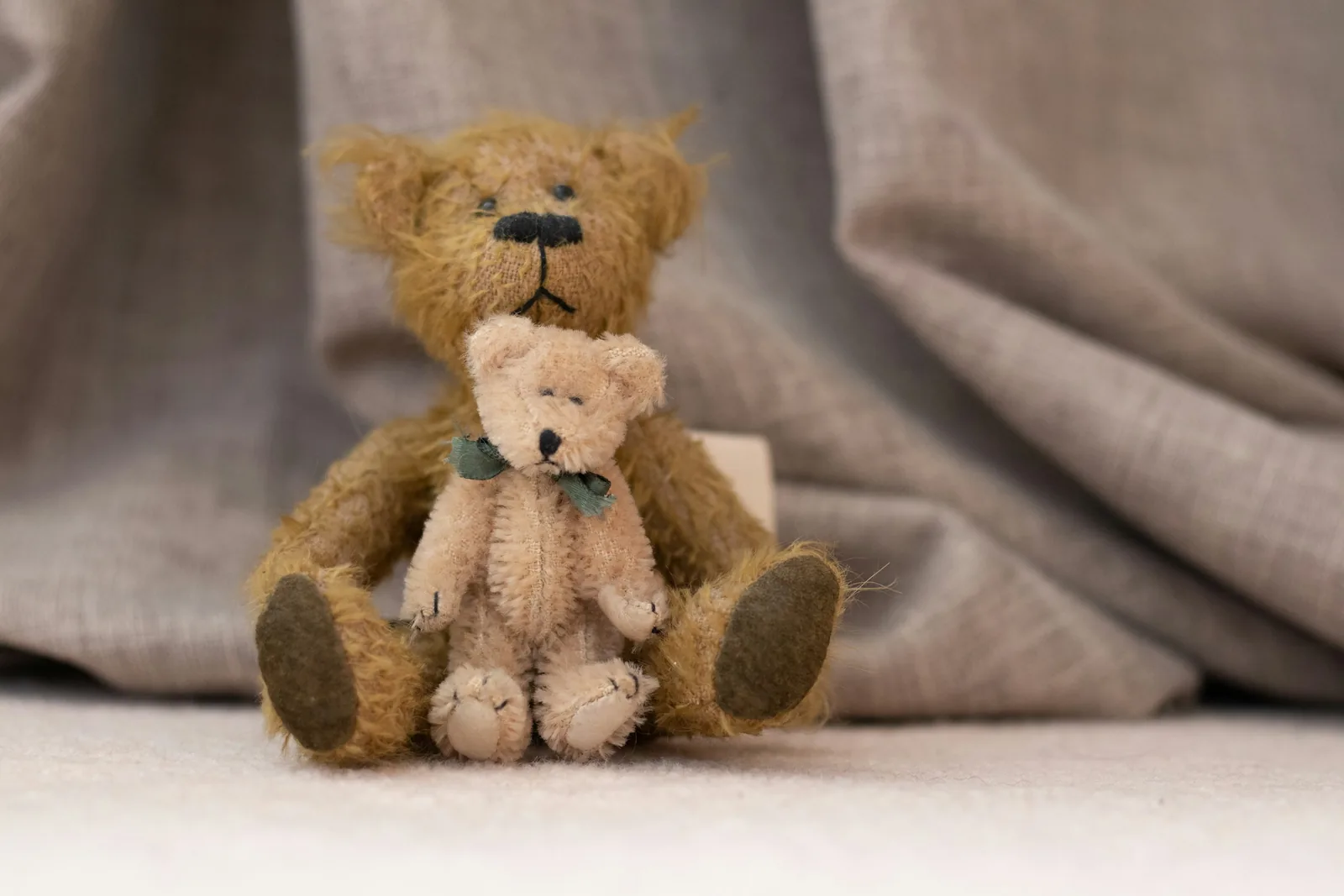
Most Beanie Babies are common today, so most draw little collector interest. So many people bought them as investments and saved them, tags and all, that the supply never thinned out. Collectors look harder at early pieces, verified variations and clean examples with original tags, and an online asking price is never proof of a sale.
Few toys have a stranger afterlife. In the late 1990s, adults stood in lines and guarded paper tags in plastic cases. Today the same animals sit in totes in basements, and every so often a viral post claims one of them is a fortune in disguise. If you are clearing a parent's house, or your own childhood room, you deserve a straight answer.
Here it is. Most Beanie Babies are common, and a craze that taught a generation to save everything is exactly why. A small number of early, unusual or exceptionally well-kept pieces still interest collectors. The rest of this guide explains the difference, what the 2025 Labubu boom has to do with it, and what to do with the bin.
Are Beanie Babies worth anything today?
Most Beanie Babies are ordinary secondhand toys today. Collector interest centers on a small group: early production, verified variations and clean pieces with intact original tags. A famous name, a retired label or a high online listing does not, by itself, make one scarce.
The history explains why. Ty introduced the toys in 1993, and by the late 1990s a popular belief held that they were a long-term investment, according to an excerpt from author Zac Bissonnette's book The Great Beanie Baby Bubble, published by WBUR's Here & Now in 2015. Collectors bought hard-shell lockets to protect the heart-shaped paper tags. Then, as the new millennium approached, the bubble burst.
Bissonnette describes a 2010 auction where a perfectly preserved collection of at least 500 Beanie Babies turned out to be almost worthless. That's a hard sentence to read if you are holding a similar collection, but it is the honest starting point. It also tells you what to do next: don't spend money storing or shipping a bin before someone has looked at it. Our sell with us page is where that conversation starts.
The collectible paradox: why saved things stay common
Here is the idea we use to make sense of it. It is editorial judgment, not a measurement: things made to be collected rarely become scarce, because the people who bought them saved them. Scarcity usually comes from the opposite path, from ordinary things that got used up, worn out and thrown away before anyone thought to keep them.
Beanie Babies sit squarely on the saved side. The Strong National Museum of Play, in a post on one-hit wonder toys, asks how many people stockpiled them, "tags pristine, hoping to one day make a fortune off of them." The toys even reached fast-food counters: the museum notes in its history of meal toys that miniature Teenie Beanies launched at McDonald's in 1997, bringing the craze into the restaurant.
When nearly every buyer saves nearly every piece, the supply that survives is enormous, and most of it is in good shape. The same pattern shaped the baseball cards of the late 1980s; our guide to baseball cards worth money covers that boom.
Labubu resale and the Beanie Baby echo
If the 1990s craze feels like ancient history, look at 2025. Labubu, the toothy plush monsters sold by Pop Mart, came mostly in blind boxes, "meaning the figure inside is a mystery until opened," and were listing well above their original price on resale markets, NPR reported in June 2025. A curator at The Strong told NPR the blind-box idea itself is old, going back to cereal box prizes and capsule toys.
By January 2026, NPR's Planet Money hosts were discussing a possible "Labubble," and one said resale prices had gone way down in the months before. Their point is the one that matters for any family: trouble starts when people buy a toy not because they love it, but because they expect it to be worth more later.
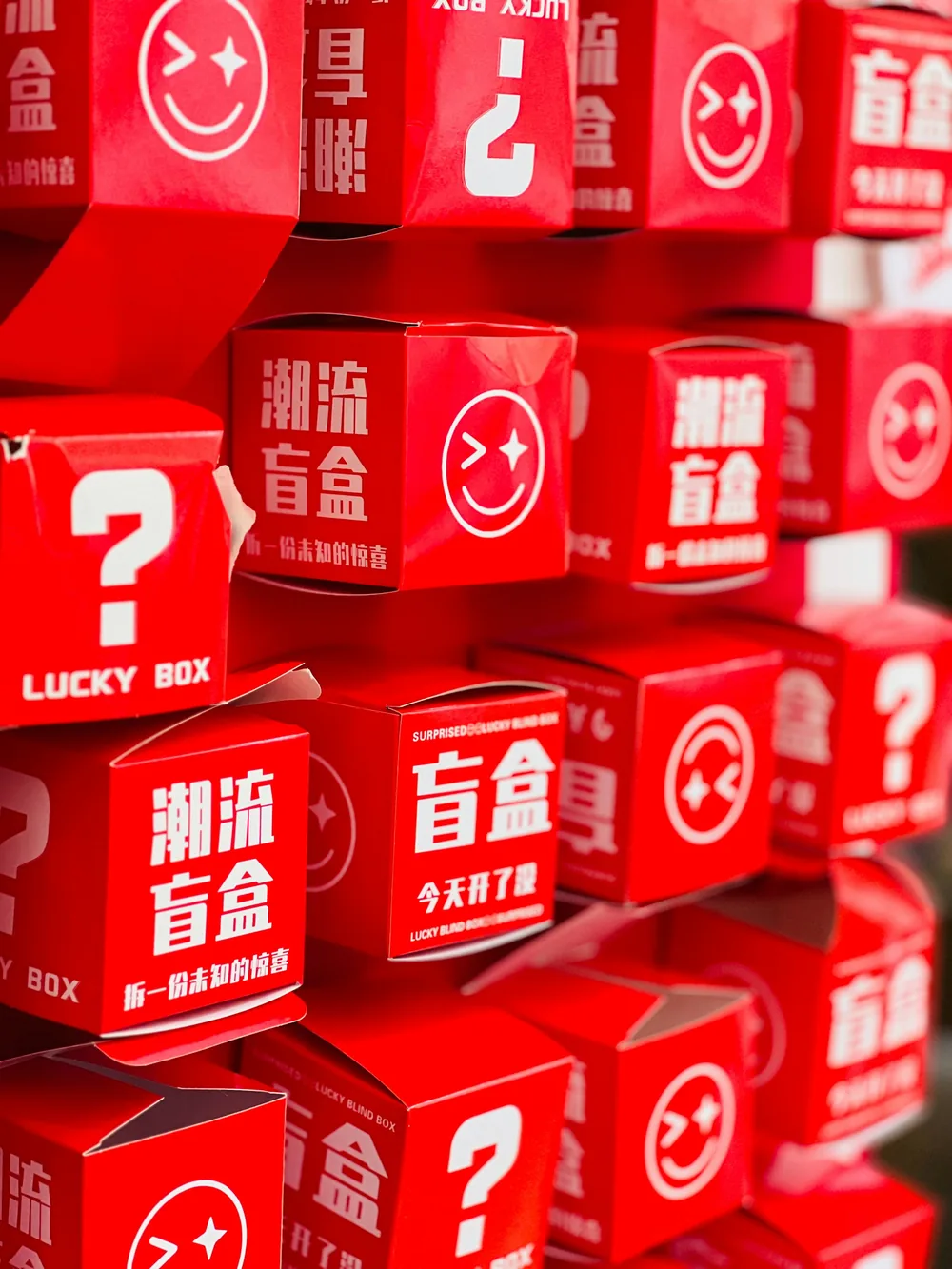
That is the Beanie Baby story in a new outfit. Keep a Labubu because a grandchild loves it, not because a resale chart once spiked. And if a craze toy turns up while you are clearing a home for an estate sale or auction, treat it the way you would treat a 1990s bin: as a probably common item that deserves one quick look before it goes.
Beanie Babies worth money: what collectors actually look for
Collector interest in Beanie Babies comes from details, not from the name on the tag. Here is how the usual viral claims compare with what actually decides interest. This table is our editorial guide, not a measurement.
| What the viral post says | What actually decides interest |
|---|---|
| It's retired, so it's rare | Retirement stopped new production; it didn't shrink the supply people had already bought and saved |
| It's listed online for a fortune | An asking price is a hope; only a completed sale shows what a buyer actually paid |
| The tag has a mistake, so it's an error piece | Claimed variations need checking by someone who knows the line; a typo alone is not proof of rarity |
| It's still in a tag protector | Clean condition and intact tags help, but protecting tags was standard practice, so they are common too |
| It's a famous character | Fame drove sales, and big sales mean a big surviving supply |
Condition is the part you can protect. Collectors notice stains, fading, odors and missing or creased tags, both the paper heart and the fabric tag sewn into the seam. Smoke and damp basements are hard on plush, so keep a collection somewhere dry while you decide. Details decide interest in every toy category; our guide to Redline Hot Wheels shows the same thing with die-cast cars.
What to do with a box of Beanie Babies
You don't need to research every animal. You need to avoid the few mistakes that can't be undone, then let someone take one look. Here's the order we suggest:
- Leave the tags on. Keep paper tags attached and leave any plastic protectors in place.
- Don't wash or fix anything. Leave every piece as it is until Marv has looked at it.
- Keep the bin dry and smoke free. A closet shelf beats a damp basement or a hot attic.
- Count and photograph. A quick photo of each layer and a rough count is enough for a first conversation.
- Keep the extras together. Display cases, collector guides, receipts and boxes stay with the toys.
- Ask the family first. Some animals carry memories worth more than any sale; let people choose before anything goes.
- Then call. Describe the collection on our sell with us page or by phone before you donate or discard any of it.
If most of the bin turns out to be common, that is not a failure. Plush that collectors pass over can still go to family or a charity that takes toys. Our estate cleanout guide covers what to keep, give and let go once the sale questions are settled.
Selling a 1990s collection with the rest of the house
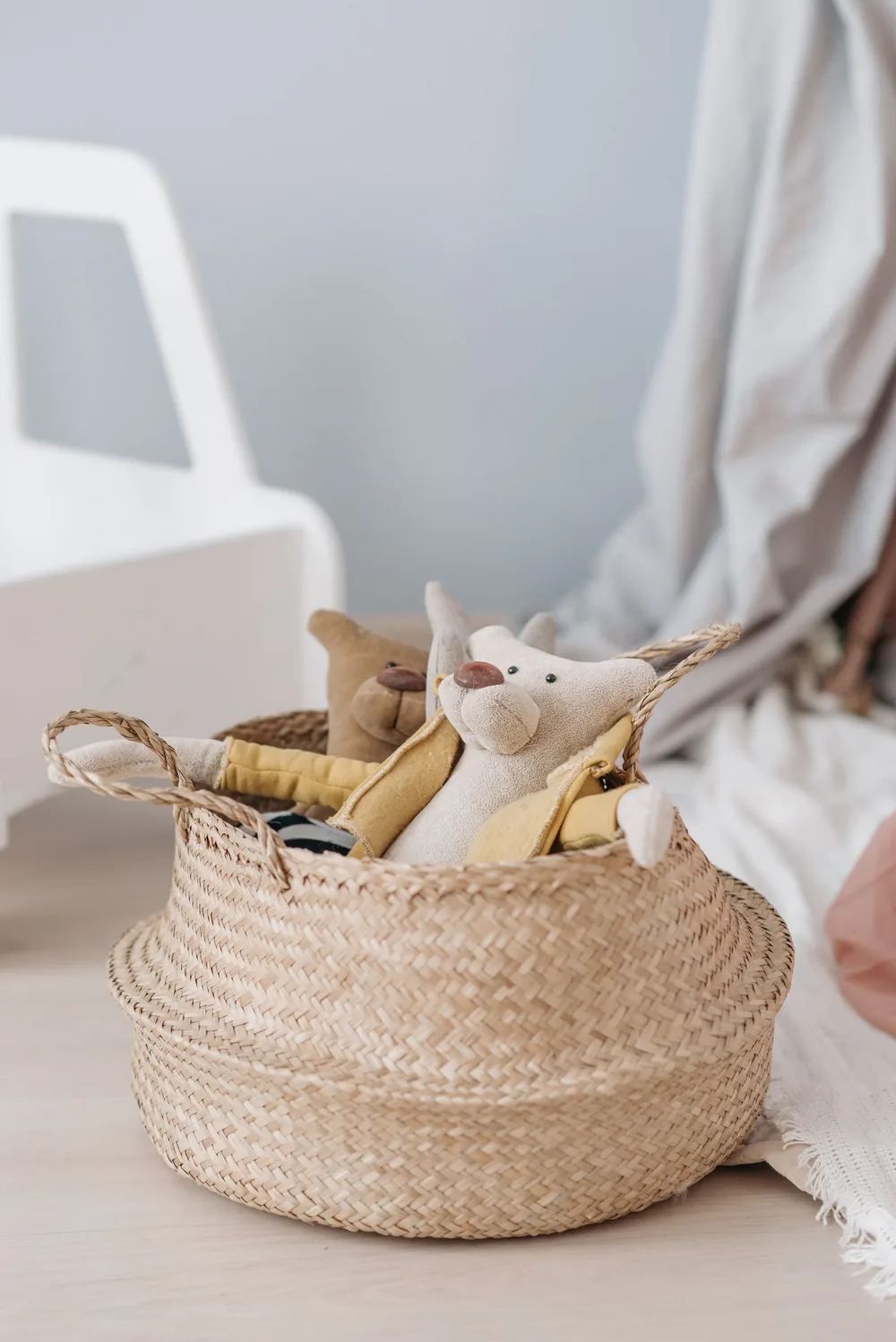
At an estate auction, a plush collection is usually one part of a bigger catalog: toys, figurines, decor and everything else a family gathered over the years. Our August 2026 sale, for example, offered a pair of Bearington Collection bears and a 1996 Muffy's Landau Carriage, neither of them Beanie Babies, among hundreds of other lots.
That is how we'd think about a Beanie Baby bin, too. In a larger estate, toys can ride along with the rest of the catalog, where every lot is described and photographed and bidding runs for about a week on HiBid. If you are downsizing rather than settling an estate, our downsizing guide helps with the bigger picture.
Not sure which pile your collection belongs in? Call Marv Dorshorst, Registered Wisconsin Auctioneer #344, at (608) 628-1631. Single collections get consigned into our sales regularly, and if an auction isn't the right route for a box of plush, he'll say so. Other childhood boxes deserve the same look; see our guide on old VHS tapes.
Common questions
Which Beanie Babies are worth money?
Collector interest focuses on a small group: early production pieces, variations that someone familiar with the line can verify, and examples in clean condition with both original tags intact. Popular characters and retired styles are usually common because so many were bought and saved. A listing price online tells you what a seller hopes for, not what a buyer paid.
Do Beanie Babies need their tags to sell?
Tags matter to collectors. During the craze, people bought plastic protectors just to keep the heart-shaped paper tags perfect, so a missing or creased tag stands out. Leave every tag attached, keep protectors in place, and don't try to replace or repair a damaged tag. Even with perfect tags, most common animals draw modest interest.
Why did Beanie Babies lose their value?
The craze rested on a belief that the toys were long-term investments. So many people bought and saved them that the supply stayed huge, and as the new millennium approached, the bubble burst. Saved, mint-condition supply is exactly what keeps most pieces common today, decades later.
Is Labubu the new Beanie Baby?
The patterns rhyme. Labubu blind boxes listed well above their original price on resale markets in 2025, NPR reported, and by January 2026 NPR's Planet Money said resale prices had gone way down. Like the 1990s craze, the risk comes from buying for resale rather than for enjoyment.
Should I wash old Beanie Babies before selling them?
No. Leave them exactly as they are until someone has looked at the collection. Washing, brushing or drying can damage fabric, stuffing and tags, and a tag that gets wet can't be made new again. Keep the bin somewhere dry and smoke free, photograph what you have, and ask before changing anything.
What can I do with Beanie Babies that aren't valuable?
Let family members choose favorites first, since the memories often matter more than any sale. Common plush can go to a charity or shelter that accepts toys, or into a household sale with the rest of the estate. Before donating a whole bin, describe it to an auctioneer so nothing unusual slips out with the rest.
Sources
- The Beanie Baby Boom And Bust: What Happened?, WBUR Here & Now (interview and book excerpt, March 2, 2015)
- One-Hit Wonders, The Strong National Museum of Play
- Would You Like a Toy with That?, The Strong National Museum of Play
- 'Labubu' is a plush toy that is causing a frenzy. Here's its origin story, NPR (reporting, June 18, 2025)
- So is the stock market in an AI bubble? Here are clues economists look for (transcript), NPR Planet Money (January 9, 2026)