
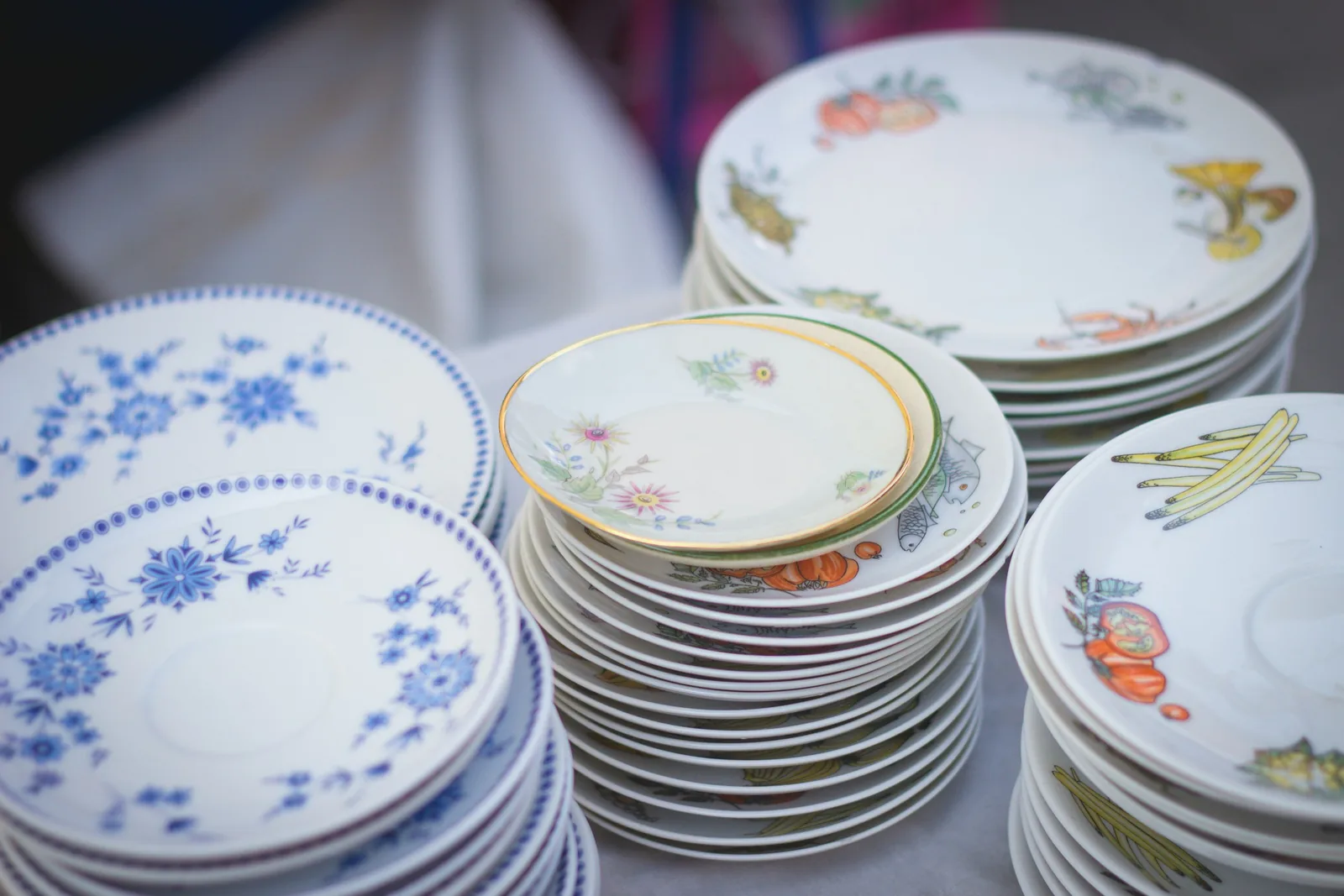
You have four honest options for old china: keep a few pieces, use it, give it to someone who wants it, or sell it. Most everyday sets draw modest interest rather than a windfall. Read the backstamp and keep the set together before you decide, because maker and pattern shape every option.
It's one of the most common conversations in a house that's being settled. The china cabinet is full: twelve place settings, a gravy boat, a platter that only came out at Thanksgiving. Everyone agrees it's beautiful. Nobody has room for it, and nobody hosts the kind of dinners it was made for.
If that's where you are, nothing is wrong with your family, and nothing is wrong with the dishes. Deciding what to do with old china comes down to four honest options: keep a few pieces, use it, give it to someone who wants it, or sell it. Most everyday sets draw modest interest. Before you choose, read the backstamp and keep the set together, because the maker and pattern shape every option, including selling it with the rest of the household.
Why nobody seems to want Grandma's china
Tastes changed, and so did the dinner table. The Henry Ford museum's history of Corning's kitchen brands describes how Corelle dinnerware, introduced in 1970, broke from a past "where expensive dinner sets consisted of many pieces, including luncheon plates and soup and salad bowls." The museum says Corelle "changed middle-class American dining habits" because it was durable and "inexpensive enough for casual use." A formal service built for a holiday table has been competing with everyday dishes ever since.
So when a grown child says no thanks, it usually isn't about the dishes or about Grandma. It's about a dishwasher, a small kitchen and a different way of eating. If a move is behind the decision, our downsizing tips for seniors help with the bigger picture, and Swedish death cleaning offers a gentler way to begin.
Is fine china worth anything? The honest answer
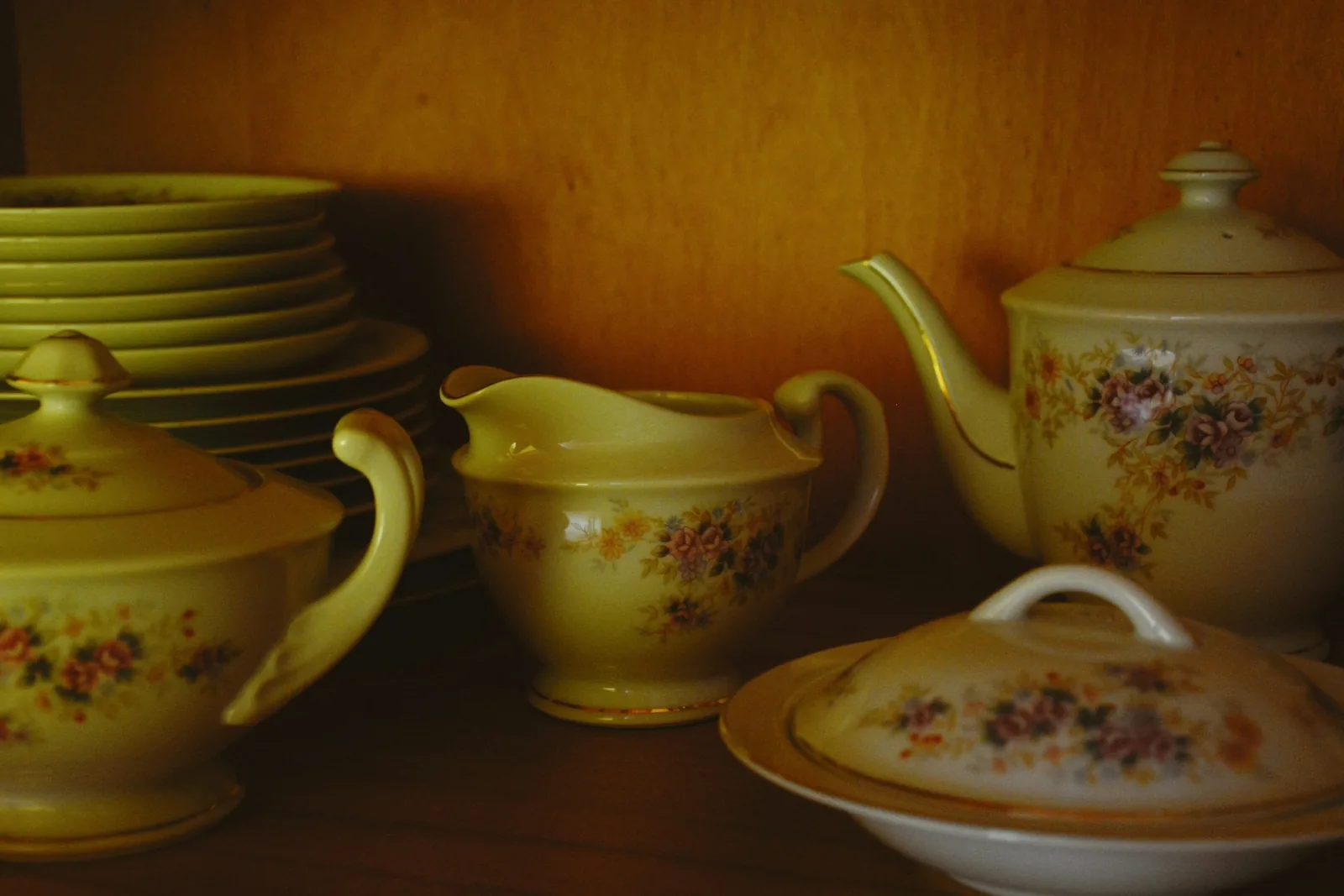
Some of it draws real interest, and much of it doesn't. Fine china isn't one thing with one answer. A known maker's pattern that people are still filling in, a complete service with its serving pieces, or an unusual hand-painted set reads very differently from a common pattern with chips and worn gold trim.
- Maker and pattern. A name people search for gives a set its best chance.
- Completeness. Full place settings plus platters, covered dishes and the gravy boat read as a service, not a stack of plates.
- Condition. Chips, cracks, crazing and worn trim all count, and bidders look closely.
- Quantity. A service for twelve and a service for four are different offers.
We won't put a number on any pattern, and be careful with numbers you find online. Asking prices and per-piece replacement prices are not what a set brings when bidders compete for it. The way to find out is to offer it where buyers can see it, which is what a free consultation is for.
How to read the backstamp on old china
A backstamp is the maker's mark printed or stamped on the underside of a plate, often with a pattern name and a country. It's the single most useful thing you can write down about a set.
- Turn over a dinner plate and copy every word: maker, pattern name, country, and terms such as bone china, porcelain or ironstone.
- Photograph the backstamp clearly. It tells a buyer more than a photo of the front.
- Count by type: dinner plates, salad plates, bowls, cups, saucers, and serving pieces such as platters, gravy boats and covered dishes.
- Check condition in good light: chips, cracks, crazing in the glaze, and wear on gold or silver trim.
- Set aside pieces that don't match the main set, and keep them in their own box.
- Write down what the family knows: a wedding gift, the holidays it came out for, who chose it.
That's all a catalog needs: who made it, what the pattern is called, how many there are and what shape they're in. Lot 35's listing is a plain example.
Keep, use, give or sell: the four-box plan
Here's the plan we'd suggest, and it's our editorial judgment rather than a rule: put every piece in one of four boxes, even if only in your head. It turns one big emotional decision into a handful of small ones, and it lets each person in the family say what they actually want before anything is planned for a sale.
| Box | Fits when | Watch for |
|---|---|---|
| Keep | A few pieces carry the memories: a teacup, the turkey platter, one place setting | Keeping a few pieces doesn't mean keeping the set |
| Use | You'd like it on the table now, not just on holidays | Read the FDA note below before serving food on antique or worn pieces |
| Give | A relative or friend truly wants it and has room for it | Offer the whole set first, before it gets divided |
| Sell | Nobody in the family wants it, or the house has to be emptied | Keep the set together and leave it as it is until it's been seen |
Our editorial guide, not a measurement. Most families end up using more than one box.
Most families land on a mix: a few keepsakes, a handful of pieces passed along, and the rest sold. That's a good outcome, not a compromise.
Using it, giving it or donating it
Three of the four boxes keep the set out of a sale, and each has a detail worth knowing. Whatever you decide, check our list of what not to throw away before anything goes to a donation center.
If you use it every day: a careful note on lead
Using old dishes is a lovely way to keep them, and it's worth reading the FDA first. Its questions and answers on lead-glazed pottery, current as of October 2017, lists antique ceramicware and ceramicware that is damaged or excessively worn among the "problem types" that deserve particular attention for lead. The same page says pottery not on that list that was made in commercial factories for everyday use is much less likely to have lead problems (an antique or worn factory set is still on the list), and that if you can't test a piece or confirm it came from a reliable manufacturer, you should consider not using it for cooking, serving or storing food or drinks. When in doubt, keep it for display.
Giving it to family
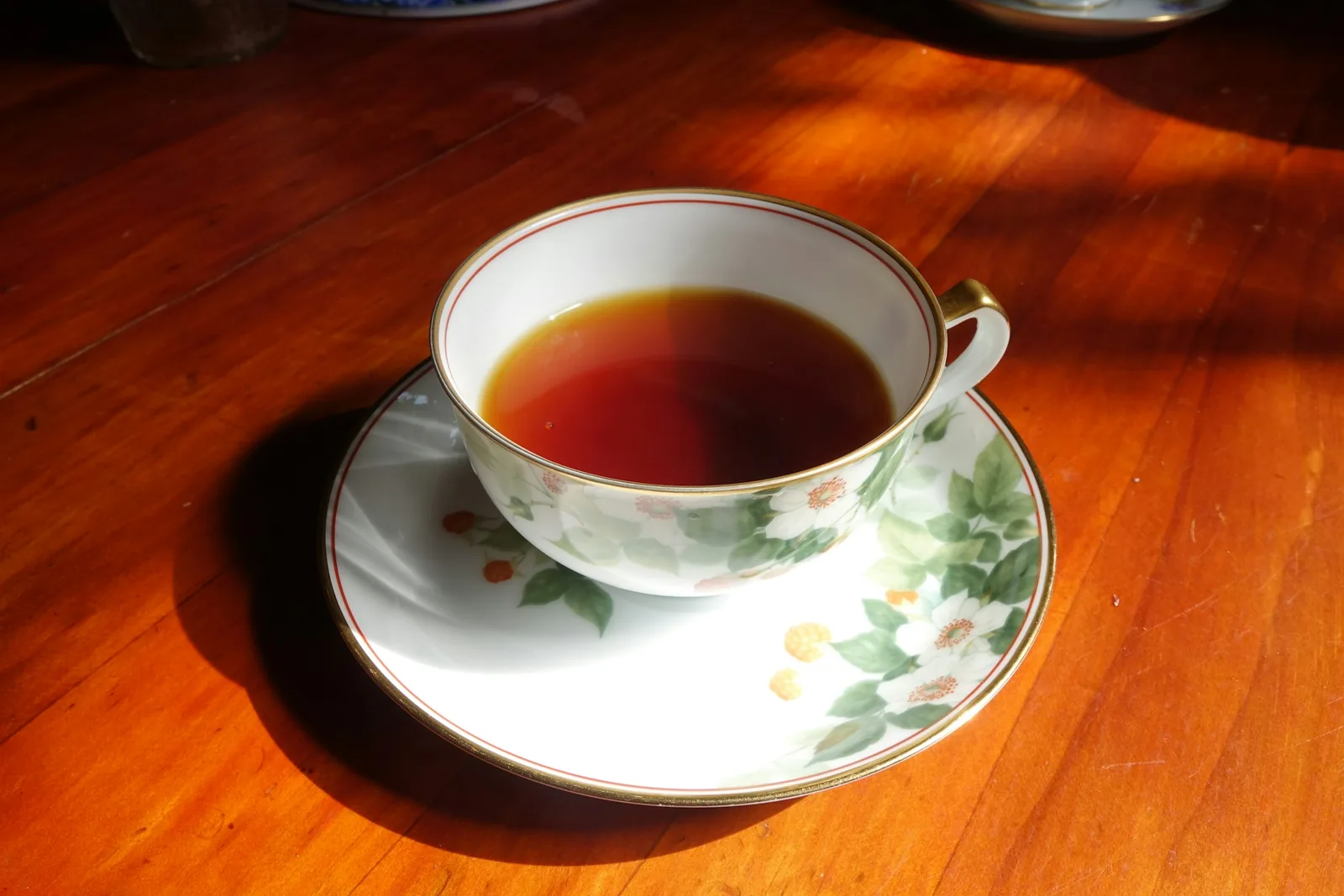
Offer the whole set first, and say plainly that nobody has to take it. A set split four ways becomes four partial sets. If the estate is still being settled, check with the personal representative before anything leaves the house.
Donating it, and when to ask a tax professional
Donation suits everyday dishes that won't draw bidders. If you hope to claim a deduction, the IRS's Publication 526 for 2025 returns, the current edition as of November 2026, says donated household items generally must be in good used condition or better to be deductible, and it treats antiques and collections separately. Rules change and every return is different, so talk to a tax professional before you count on a deduction. This is general information, not tax advice.
Selling old china without the guilt
Selling isn't a betrayal. It's how a set built for a big table finds one. Leave everything as it is until Marv has looked at it: no washing, no weeding out the chipped pieces, no splitting the set. And don't toss the odd cup without a saucer; the things families are sure nobody wants are often the ones that draw attention.
A dinner service rarely leaves a house alone. The same cabinet often holds glass and silver, and our guides to Depression glass and sterling silver flatware cover those.
We run estate, household, antique and farm auctions from downtown Deerfield, about 15 minutes east of Madison, and all bidding happens online through HiBid. Every lot is numbered, described and photographed, so someone filling in the same pattern several states away can find yours. A dinner service can go into a full estate sale or be consigned with other pieces. Start with a free consultation, and bring your backstamp notes.
Common questions
Is it OK to sell my mother's china?
Yes. Selling a set nobody in the family can use is a practical choice, not a failure of love. Keep a piece or two that carry the memories, offer the rest to anyone who truly wants it, and let the remainder go to someone who will use it. Leave it as it is until Marv has seen it.
What is the best way to get rid of old china?
Sort it into four boxes: keep, use, give or sell. Read the backstamp first and keep the set together, because maker, pattern and completeness shape every option. Sets with a known pattern or full serving pieces suit an auction; everyday dishes often suit donation. Don't throw anything away before Marv has looked.
How do I find out what pattern my china is?
Turn over a dinner plate and copy every word of the backstamp: maker, pattern name, country, and terms like bone china or porcelain. Photograph it clearly. If there's no pattern name, describe the design and colors plainly. Count the pieces by type, note chips and worn trim, and bring those notes to the free consultation.
Does anyone buy old china sets anymore?
Yes. People filling in a pattern, hosts who like a full table, and collectors of particular makers still buy. Common sets draw modest interest, while complete services in good condition do better. We won't guess at values here; an open sale lets the bidders who want your pattern decide.
Should I wash old china before selling it?
No. Leave it as it is until Marv has looked at it. Washing and handling a full service risks chips, and dust doesn't hurt a description. Keep the set together, leave any labels in place, and take a few daylight photos of the front and the backstamp before you call for the free consultation.
Is it safe to eat off antique china?
The FDA lists antique and excessively worn ceramicware among the problem types that deserve attention for lead, and says to consider not using a piece for food if you can't test it or confirm a reliable maker. Everyday factory pottery not on that list is much less likely to have problems. When unsure, keep old pieces for display.
Can I donate china and take a tax deduction?
Possibly. The IRS's Publication 526 for 2025 returns says donated household items generally must be in good used condition or better to deduct, and it treats antiques and collections separately. Rules change and individual returns differ, so check with a tax professional before you count on a deduction. This is general information, not tax advice.
Sources
- Pyrex, Corning Ware and Corelle: Enduring Kitchen Icons from Corning, The Henry Ford
- Questions and Answers on Lead-Glazed Traditional Pottery, U.S. Food and Drug Administration
- Publication 526 (2025), Charitable Contributions, Internal Revenue Service