
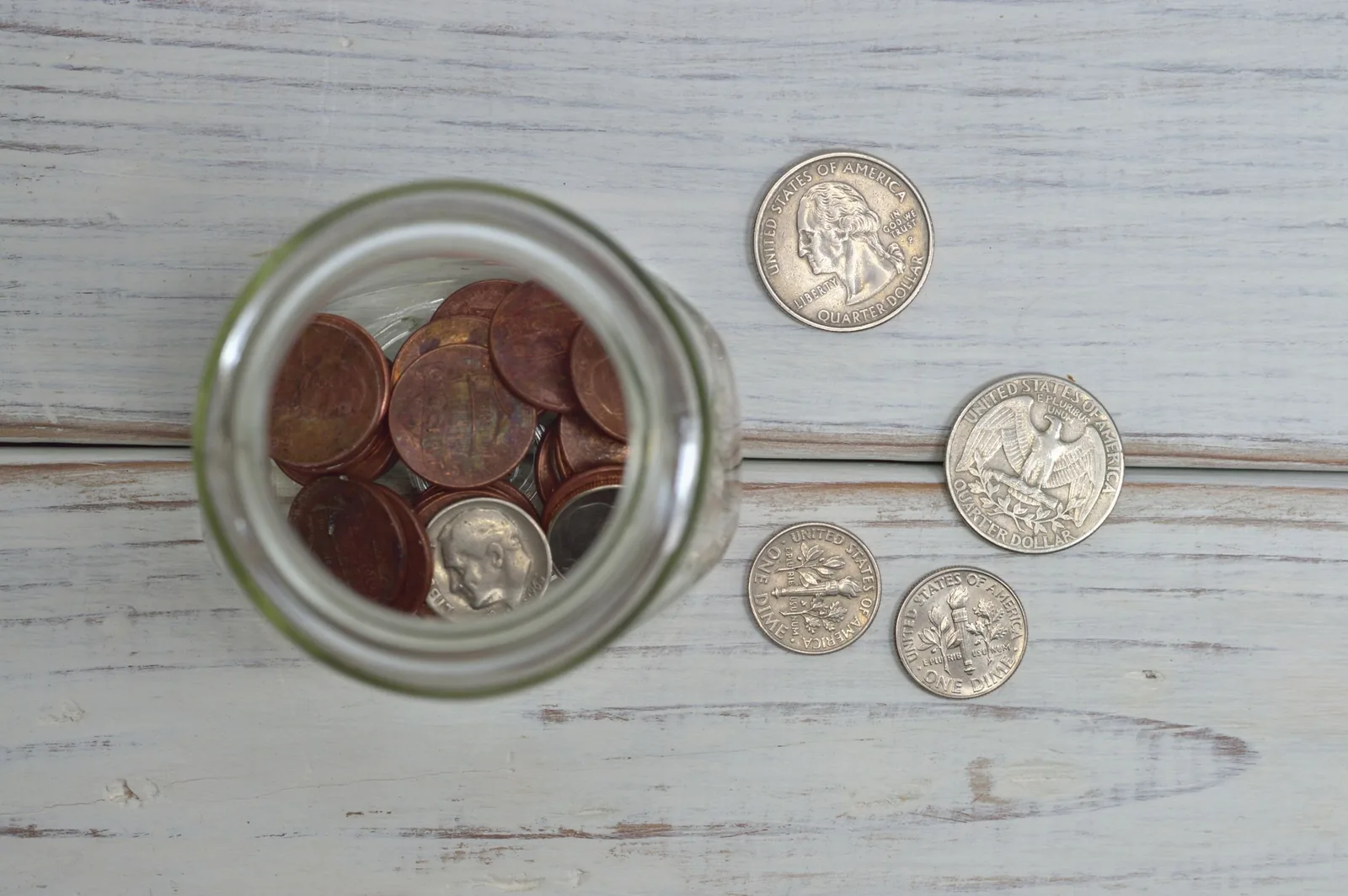
The penny is discontinued for new coins: the US Mint struck its last circulating pennies in November 2025. Pennies are still legal tender and keep their full value. In a jar of old pennies, the dates matter: wheat cents, a 1943 steel cent or older coins deserve a look before anything goes to the bank.
Plenty of families have one: a pickle jar, a coffee can or a cigar box of pennies that grew for decades on a dresser. When the news broke that the penny was discontinued, a lot of those jars came down off the shelf with the same question attached: is anything in here worth keeping?
The honest short answer is that most pennies are common one-cent coins and will stay that way. But an old jar can hold coins that collectors do look for, and the dates tell you which kind of jar you have. Here's what actually changed, how to read a jar in a few minutes, and what not to do before you decide.
Is the penny discontinued? What changed, and when
Yes, for new coins. In a set of FAQs dated December 23, 2025, the Treasury Department says the federal government has stopped manufacturing new pennies, after the cost of making one rose from 1.3 cents to 3.69 cents over ten years (Treasury penny FAQs). The Associated Press reported that the US Mint struck its final circulating pennies in Philadelphia on November 12, 2025, ending a run that began there in 1793 (AP via PBS News).
What didn't change is the money itself. The Treasury says the penny remains legal tender and "will retain its full monetary value indefinitely." It counts roughly 114 billion pennies still in existence, and the Federal Reserve will keep recirculating them for as long as possible.
Are pennies being discontinued by law, too?
Congress has moved to make it formal. On September 29, 2026, the Associated Press reported that the Senate had passed the Common Cents Act by voice vote and sent it to President Trump, who was expected to sign it. As of November 2026, we haven't found an official record that it has been signed, so check its status before relying on it. The bill would put the end of penny production into law and set procedures for stores, including rounding transactions up or down to the nearest 5 cents. AP added that it doesn't stop consumers or stores from using pennies (AP report).
Can you still spend or deposit pennies?
Yes. The Treasury's guidance, still posted as of November 2026, asks stores to keep accepting pennies and giving penny change, and to round a cash total to the nearest five cents only when they run short. Card, check and other non-cash payments stay exact to the cent. You can deposit pennies at your bank, though some banks want large amounts rolled first. The Treasury calls all of this non-binding guidance.
Spending or depositing is the right move for a jar of recent pennies. For an old jar, read the dates first. If the coins came out of an estate along with albums or rolls, our guide to selling a coin collection covers the bigger picture.
What's really in a jar of old pennies
A penny jar is a record of who filled it and when. The Lincoln cent arrived in 1909, the first US circulating coin to show a real person, and its back changed over the years: ears of wheat from 1909 to 1958, the Lincoln Memorial from 1959 to 2008, then four designs in 2009 (US Mint).
The metal changed too. The cent had been 95 percent copper, but in 1943, with copper needed for the war, it was made of zinc-plated steel, and copper came back in 1944. In 1982, rising copper prices brought in cents made of copper-plated zinc, which look the same as earlier ones but are about 20 percent lighter (American Numismatic Association).
- Indian Head cents, the design before Lincoln, in the oldest jars.
- Wheat cents, 1909 to 1958, with two ears of wheat on the back.
- A silver-gray 1943 steel cent, the wartime one-year issue.
- Copper Memorial cents, 1959 to 1982, the bulk of many older jars.
- Copper-plated zinc cents, 1982 on, the pennies still in pocket change.
If a silver-colored cent turns up, our 1943 copper penny guide explains the steel version, the rare copper mistake and the simple magnet test. Jars that collected nickels too often hold a few worn Buffalo nickels.
The three-date jar check
Three dates, 1943, 1958 and 1982, tell you whether a penny jar needs a closer look or can go to the bank. This is our editorial guide, not a measurement or a grading system. You don't need a magnifier or a coin book, and you don't need to sort anything into piles: read a handful of dates, put the coins back, and decide what kind of jar you have.
| What you see | Dates | What to do |
|---|---|---|
| An Indian's head on the front | Up to 1909 | Keep the whole jar together, unwashed |
| Two ears of wheat on the back | 1909 to 1958 | Keep the whole jar together, unwashed |
| A silver-gray cent | 1943 | Leave it in the jar; read our 1943 guide |
| The Lincoln Memorial on the back | 1959 to 1982 | Fine to spend if nothing older is in the jar |
| Memorial or newer back on a lighter coin | 1982 on | Spend or deposit, as the Treasury encourages |
Read the date on the front, to the right of Lincoln's portrait. One older coin is enough to treat the whole jar as an old jar.
Why keep an old jar whole instead of picking out the good ones? A quick sort by someone new to coins misses things, and a jar left as it was found shows a bidder exactly what's there. If the jar holds nothing older than 1959, the Treasury's advice fits: spend the pennies or deposit them. Not sure which kind you have? Ask us on the sell with us page.
Are wheat pennies worth money?
Most wheat pennies are common. The wheat design ran for 50 years, and a worn cent from the 1940s or 1950s is usually a one-cent coin with a story. What draws collectors is the combination of date, mint mark and condition, plus a short list of scarce dates that experienced collectors know on sight.
That's why sorting them yourself rarely helps. Collectors read every date and mint mark letter, and bagged wheat cents make a lot in their own right. Our August 2026 sale offered lot 232, a bag of 70 circulated 1930s pennies plus ten from the 1910s and 1920s, as one lot, and bags of 1940s and 1950s pennies were offered by weight in the same sale.
And don't clean them. Polish and coin dips strip the original surface collectors look for, which is why our coin guide starts with don't clean, don't cull, don't split. Leave every coin as it is until someone who knows coins has seen it.
Before you cash in an old penny jar
If the jar passed the three-date check as an old jar, slow down before anything gets rolled or spent. Here's the order we'd suggest.
- Leave it as you found it. Don't wash, polish, roll or spend anything yet.
- Read a few dates, gently. Hold coins by the edges and put each one back.
- Note what else came with it. Albums, rolls, foreign coins and paper money, like a silver certificate, belong in the same conversation.
- Check who can sell it. If the owner has died, settle that first (see below).
- Call before you cash in. Reach Marv at (608) 628-1631, or start on our sell with us page.
Coins reach our sales two ways: in dedicated sales, like the online coin auctions on our past-sales list from April 2024 and April 2026, and as lots inside multi-estate sales. Single collections are consigned into our sales regularly, and if an auction isn't the right route for a jar of modern pennies, Marv will say so.
When to talk to the estate's attorney or personal representative
If the jar belongs to an estate, make sure you're the person with authority to sell it. Small Wisconsin estates often pass property by affidavit, which our guide to transfer by affidavit in Wisconsin explains. Talk to the estate's attorney or personal representative if several heirs share the coins, a will names who gets them, or a probate case is open. This is general information, not legal advice.
Common questions
When was the last penny made?
The Associated Press reported that the US Mint struck its final circulating pennies at the Philadelphia Mint on November 12, 2025. The Treasury's December 2025 FAQs confirm the federal government has stopped manufacturing new pennies, while the roughly 114 billion already made stay in use for as long as they last.
Are pennies still legal tender in 2026?
Yes. The Treasury says the penny remains legal tender and will keep its full monetary value indefinitely. Stores are asked to keep accepting pennies and giving penny change where they can. The Common Cents Act that the Senate passed in September 2026 doesn't stop anyone from using pennies, according to AP's report.
Will stores round my change to the nearest nickel?
Sometimes, and only for cash. The Treasury's non-binding guidance lets a store round a cash total to the nearest five cents when it runs short of pennies, applied fairly and consistently. Card, check and other non-cash payments stay exact to the cent. Practice may vary from store to store.
Should I take my penny jar to the bank?
If nothing in the jar is older than 1959, spend or deposit them as the Treasury encourages, though your bank may ask you to roll large amounts first. If the jar holds wheat cents, Indian Head cents or a silver-gray 1943 cent, keep it whole and ask about it before anything gets rolled.
How can I tell a copper penny from a zinc one?
Start with the date. Lincoln cents were mostly copper until 1982, when the Mint switched to copper-plated zinc, so both kinds carry that year. The American Numismatic Association notes the zinc cents look identical but weigh about 20 percent less. The 1943 steel cent is the odd one out: silver-gray, not copper.
Are wheat pennies rare?
Not usually. Two ears of wheat sat on the back of the Lincoln cent from 1909 to 1958, so most wheat pennies are common. Collectors look at the date, the mint mark and the condition, and a few scarce dates draw real attention. Keep them together and unwashed so collectors can judge them.
Can I sell a jar of old pennies at auction?
Yes. Wheat cents and old penny accumulations show up as lots in our sales, sometimes bagged by decade and sometimes offered by weight. Our past-sales list includes dedicated online coin auctions in April 2024 and April 2026. Call Marv at (608) 628-1631 or use our sell with us page to set up a free consultation.
Sources
- Penny Production Cessation FAQs, US Department of the Treasury
- U.S. Mint in Philadelphia presses final penny as the 1-cent coin gets canceled, Associated Press, via PBS News
- Senate votes to end production of the penny after 234 years. Here's what happens next, Associated Press, via Hawaii News Now
- The Penny, United States Mint
- Nine Interesting Lincoln Cents, American Numismatic Association