
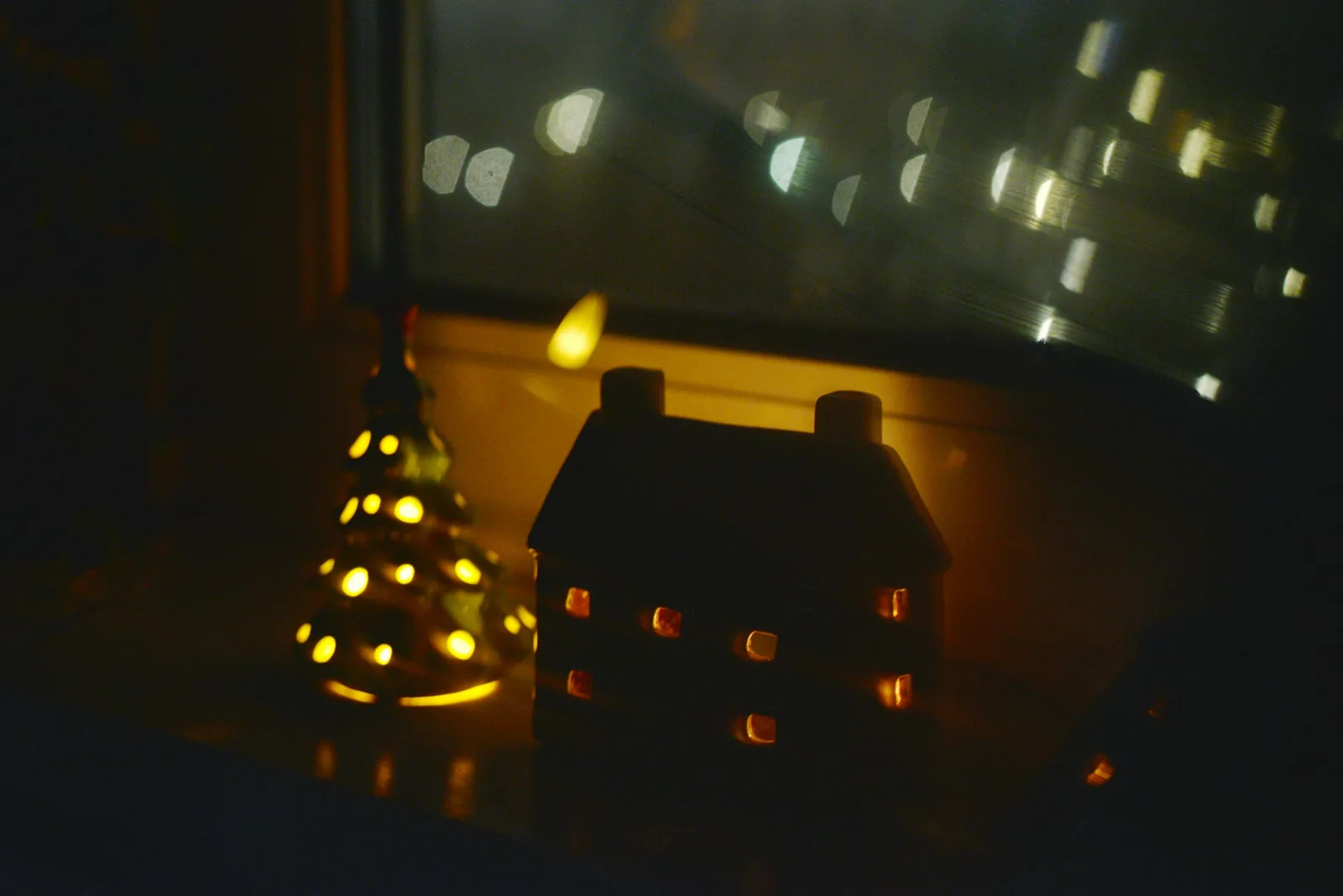
A vintage ceramic Christmas tree is often a hobby piece, glazed and fired in a ceramics class in the late 1960s or 1970s, and plenty survive. Size, extras like a music box, completeness and condition decide the interest. Leave it as it is, note what's written on the bottom, and keep every part together.
This is the week the attic boxes come down. If one of yours holds a glazed green tree studded with little plastic bulbs, you're looking at one of the best-known holiday pieces of the late 1960s and early 1970s, and one that's back in fashion. It also raises a fair question for the family: keep it, pass it to a grandchild, or sell it?
The honest short answer to whether it's worth anything: it depends, and most are more common than families expect. These trees were made in large numbers, many by hobbyists in ceramics classes, so a standard green tree is a familiar sight to collectors. What sets one apart is its size, its extras, its condition and whether every part is still with it. Until you decide, don't throw it out and don't fix it. Our estate cleanout guide explains why the things families are sure nobody wants often draw the most attention.
Where the ceramic Christmas tree came from
A ceramic Christmas tree is a tabletop tree of glazed, kiln-fired clay, usually hollow and lit from inside, so light shines through small plastic bulbs set into its branches.
They were everywhere in the late 1960s and early 1970s. In TODAY's 2018 report on the trees' comeback, a vintage expert summed up their reach: "Everyone who took a ceramics class and celebrated Christmas made one of these trees." That explains why the same shapes turn up in house after house, and why two trees that look alike can still differ. A class-made tree was glazed, fired and finished by its own maker.
That hobby history matters when you sell. A tree made in a class may carry its maker's name or initials and a year on the bottom, which makes it a piece of family history as much as a decoration. Our guide to what an estate auction is explains how pieces like this fit into a larger household sale.
Why ceramic trees are back
Nostalgia is doing most of the work. A vintage expert told TODAY that the trees had grown more popular because a younger generation felt nostalgic for the ones they grew up with, and the report noted that new ceramic trees were still being made for the holidays. Both points matter to a seller: the interest is real, and a new tree can look a lot like an old one at a glance.
The same pull is behind the return of Christmas blow molds and old glass ornaments. People want the decorations they remember, not just any decorations.
Wisconsin's other vintage tree: the aluminum Evergleam
Wisconsin has watched a revival like this before. The Wisconsin Historical Society notes that Manitowoc's Aluminum Specialty Company branded its aluminum trees Evergleam in 1960, that they were first popular from 1959 to about 1972, and that a 2004 book sparked a renaissance that has now outlasted the first craze. If your attic holds one, its box belongs with it.
One caution carries over from that era. The Consumer Product Safety Commission's holiday decoration safety tips say never to use electric lights on a metallic tree, and to light it with colored spotlights above or beside it instead.
The turn-it-over check: four things to note first
Before anyone looks up a single listing, turn the tree over. We call this the turn-it-over check. It's our editorial guide, not a published standard, and it takes about five minutes with a notepad and a phone camera.
- The bottom. Write down anything stamped, painted or scratched into the underside: a name, initials, a year, a studio or company name. Photograph it. Don't scrub anything to read it better.
- The base. Note whether the tree sits on its own base or a separate one, and whether the light socket, cord and switch are still there.
- The bulbs and topper. Count the bulbs, note any empty holes and look for the star or topper. Put loose bulbs in a labeled bag.
- The surface. Note chips, cracks, crazing, flaking paint and any old repairs, with a photo of each.
Add two measurements: the height with the base, and the width at the bottom. Then note whether the tree plays music or turns. Bring those notes when you talk to Marv about selling.
Are vintage Christmas decorations worth money?
Some are. For a ceramic Christmas tree, a blow mold or a box of glass ornaments, the same things decide it: how many were made, how old it is, its condition, and whether it's complete with its parts and box.
| Clue | What to write down | Why it matters |
|---|---|---|
| Size | Height with the base, width at the bottom | A vintage expert quoted by TODAY in 2018 singled out very large and very small trees |
| Extras | Music box, turning base, special topper | The same expert singled out musical trees too |
| Completeness | Base, cord, switch, bulbs, star | A missing base or cord changes what a bidder is buying |
| Condition | Chips, cracks, crazing, repairs | Damage shows in a catalog photo and is hard to fix well |
| Marks | Names, initials, years, company marks | They help a buyer judge age and who made it |
| Old or new | Anything that shows when it was made | New ceramic trees were still being made when TODAY reported in 2018 |
Our editorial guide, not a measurement. No single clue sets a price.
Two cautions. An asking price on a listing site is not a sold price; anyone can ask anything. And a tree that looks like one in a viral post is not that tree. We don't put values on items in our articles, and we can't tell you what yours will bring. The same rules apply to the other things families pull out this month, from Hess trucks to Redline Hot Wheels.
Plugging in, packing up and keeping the pieces together
It's tempting to plug the tree in for one more Christmas. Look first. The CPSC's holiday decoration safety tips say to check every set of lights, new or old, for broken or cracked sockets, frayed or bare wires, and loose connections. If the cord or socket on an old tree shows any of that, don't plug it in. Tell Marv about the cord instead of fixing it.
- Wrap the tree and its base separately in towels or soft paper, then pack them in the same box.
- Keep loose bulbs, the star and any spare parts in a labeled bag inside that box.
- Keep the original box and any paperwork, even if they're worn.
- Don't glue, touch up, wash or polish anything. Leave it as it is until Marv has looked at it.
If the tree is one piece of a whole house, keep it with the other holiday things rather than in a donation pile. Our downsizing guide has more on sorting a home in stages.
Selling a ceramic Christmas tree after the holidays
Plenty of families decide in January, once the tree has had one last season on the table. That's a fine way to do it. We run about seven or eight sales a year, each open about a week, with all bidding online through HiBid, so we can't promise a sale in any particular month. Sign up for sale alerts and check the current auctions page to see what's open or coming up.
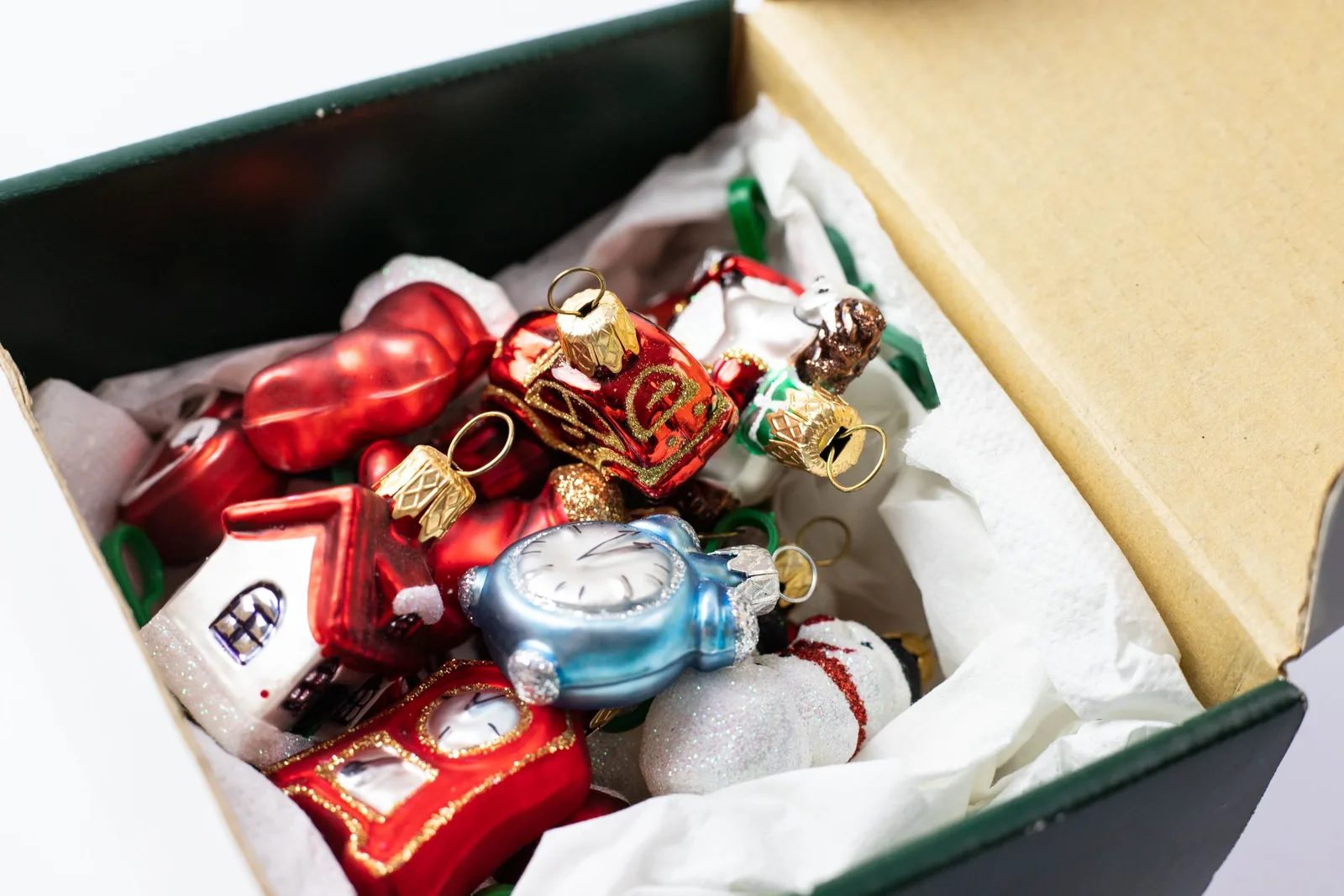
Holiday pieces show up in our catalogs in any season. Our August 2026 multi-estate sale included two vintage Santa pieces, cataloged and photographed like every other lot. One of them was Lot 150.
A single tree, a box of decorations or a whole house: single pieces and single collections are consigned into our sales regularly, and if an auction isn't the right route for yours, Marv will say so. Here's how selling with us works. If you're on the buying side, our buyer's premium guide explains what a winning bid costs at our sales.
Common questions
How do I know how old my ceramic Christmas tree is?
Start with the bottom. Write down any name, initials, year or company name stamped, painted or scratched there, and photograph it. Many trees were made in hobby ceramics classes in the late 1960s and 1970s, but new ones are still sold each season, so a single clue rarely settles it. Bring your notes to Marv.
Should I replace missing bulbs on a vintage ceramic tree?
No. Leave it as it is until Marv has looked at it. Count the bulbs that are there, note the empty holes, and keep any loose bulbs in a labeled bag in the same box. A bidder would rather see an honest, original tree than guess which parts were added later.
Is it safe to plug in an old ceramic Christmas tree?
Look before you plug it in. The Consumer Product Safety Commission says to check every set of lights, new or old, for broken or cracked sockets, frayed or bare wires and loose connections. If the cord or socket shows any of that, leave it unplugged and mention it to Marv instead of repairing it.
Who made vintage ceramic Christmas trees?
Many were made by hobbyists. A vintage expert told TODAY in 2018 that everyone who took a ceramics class and celebrated Christmas made one, which helps explain why the same shapes appear in so many homes. Some carry a maker's name or a company mark on the bottom, so turn yours over and write down exactly what it says.
Can I sell just one Christmas decoration at auction?
Often, yes. Single pieces and single collections are consigned into our sales regularly, alongside full estates. Call Marv at (608) 628-1631, describe the tree and share your notes on its size, marks and condition. If an auction isn't the right route for one piece, he'll tell you so instead of taking it.
When is the best time to sell a vintage Christmas tree?
There's no single best month, and we can't promise a sale date. Our sales run about seven or eight times a year, each open about a week, with all bidding online. Ask Marv how a tree would fit the coming sale calendar, and sign up for sale alerts on our website in the meantime.
Sources
- Check your shelves! These ceramic Christmas trees could be worth a lot of money, TODAY (NBC News)
- History of Ever Gleaming, Wisconsin Historical Society
- Holiday Decoration Safety Tips (CPSC-611), U.S. Consumer Product Safety Commission