
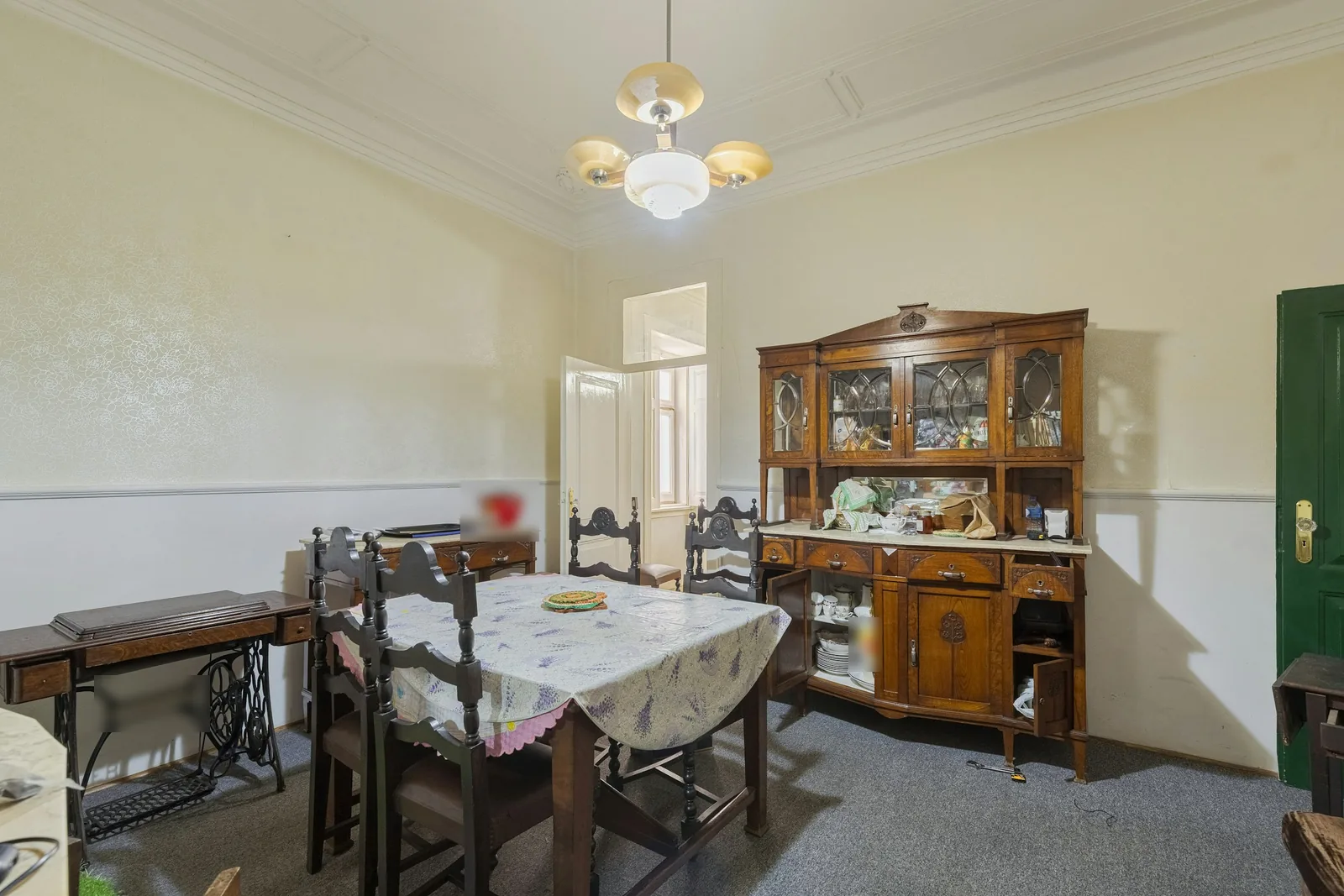
Brown furniture is the trade's nickname for traditional wood furniture, and the line that nobody wants it is only half true. Reporting says big formal sets fell out of favor; in our judgment, small, useful, well-made pieces still find buyers. Sort each piece by who might carry it home before anything goes to the curb.
Walk through almost any Wisconsin farmhouse being settled after a funeral and you'll find it: the oak dining set, the walnut bedroom suite, the china hutch, the dresser with a mirror the size of a door. Families have heard for years that nobody wants brown furniture, and many assume the only question left is who hauls it away.
That line is half true. What fell hardest was large, formal furniture built for houses with dining rooms. Smaller, useful pieces are a different story in our judgment, and 2023 reporting found some younger buyers warming to hand-me-down wood again. Below is where the story came from, a simple way to sort what you have, and what to do before any of it goes to the curb. If a whole house is involved, start with what an estate auction is.
Why people say nobody wants brown furniture
Brown furniture is the trade's nickname for traditional wood furniture: oak, walnut, mahogany and cherry dressers, tables, hutches and bedroom sets, antique or simply old. The name describes a style more than a color.
In 2019, Yankee Magazine reported on "the death of brown furniture", reporting that dealers still loved the stuff but the market had caved in. The reasons it gave are the ones families still hear: households downsizing, dining rooms going out of use, younger buyers with big student loans and little money, and a change in taste the article summed up in three words: "Formal is out."
None of that is wrong. A twelve-piece dining suite is a lot of wood for someone with an apartment and no dining room. But look at what the story is really about: size and formality, not the color of the wood. If the furniture belongs to a parent who is moving rather than an estate, our downsizing tips for seniors cover the move itself.
Is brown furniture coming back?
Partly, and unevenly. In 2023 the Atlanta Journal-Constitution reported that hand-me-down and vintage furniture is finding a new generation of fans. The story said one designer had seen Instagram and TikTok give her design clients "a nudge toward 'brown.'" The story tied the shift to younger buyers showing off personal taste and shopping more intentionally, and one person quoted asked why we don't use well-working pieces with history instead of feeding a throwaway culture.
Our editorial judgment from that reporting: the comeback favors pieces that fit how people live now. A small dresser, a nightstand, a bookcase or a side table can go into a rental. A breakfront that needs a nine-foot wall usually can't. So "all of it is worthless" and "all of it is back" are both wrong. Mid-century pieces follow their own rules, and our guide to identifying mid-century modern furniture covers them.
The three-buyer sort: who would carry it home?
Here is the framework we'd suggest, and it is our editorial guide, not a measurement or a pricing method. Before deciding anything about a piece, ask whether any of three kinds of buyer would want to carry it out the door.
The collector
This buyer wants the maker, the period or the form for its own sake. The signs are a maker's label or stamp, hand-cut joints, an uncommon form and original hardware and finish. Our guide on how to sell antique furniture explains which clues to note.
The furnisher
This buyer needs something that works in a smaller home: a nightstand, a small dresser, a bookcase, a drop-leaf table, a sturdy chair. Size, drawers that run and solid construction matter more to this buyer than age.
The project buyer
This buyer wants solid wood, sound joints or good hardware and plans to rework the piece. That is their decision to make after they own it. Until then, leave it as it is until Marv has looked at it.
| Buyer | What they look for | Pieces that tend to fit |
|---|---|---|
| The collector | A maker, a period, an uncommon form, original finish and hardware | Labeled pieces, handmade pieces, unusual forms such as a drop-front secretary |
| The furnisher | Size, sturdiness, drawers that run, a shape that fits a small room | Nightstands, small dressers, bookcases, side tables, chairs |
| The project buyer | Solid wood, sound joints, good hardware | Sound pieces with tired finishes, plain chests, tables and chairs |
Our editorial guide, not a measurement. A piece can fit more than one buyer, or none.
A piece that fits no buyer at all is the honest exception, and that call is best made after someone experienced has looked, not before. Whether a dining set stays together or goes as separate lots is a question for the consultation.
What to write down about your brown furniture
Sorting takes a few plain facts, not a date, and it needs the piece left alone; the full selling checklist is in our guide on how to sell antique furniture. The Canadian Conservation Institute puts the reason plainly: original furniture finishes have historical, aesthetic and financial value and should be maintained. So no oiling, no touch-ups and no fresh coat of anything before Marv sees it.
- Measure it. Height, width and depth, plus any leaves, mirrors and shelves that come off. Size decides which buyer a piece fits.
- Look at the back and the drawer bottoms. Note whether you see solid boards, a thin wood veneer over a core, or pressed board made from wood chips.
- Open every drawer. Look for a maker's label, stamp, paper tag or stenciled number, and leave it exactly where it is.
- Note what works. Drawers that run, doors that close, locks with keys, casters that roll.
- Keep the parts together. Keys, leaves, shelf pins, bed rails and finials stay with the piece they belong to.
- Write down the family story. Who owned it, where it came from, any receipt or photo. Label a story as a story.
Two kinds of brown furniture come with questions of their own. A Lane cedar chest may have an old lid lock that was recalled, and every owner should know about it. The old trunk in the attic has its own guide too.
Before brown furniture goes to the curb
Furniture is heavy, and a great deal of it ends up in the ground. The EPA counted 12.1 million tons of furniture and furnishings in municipal solid waste in 2018, and 80.1 percent of it was landfilled. Wood was the largest material in that furniture. The figure includes sofas and mattresses, not just wooden pieces, but the point holds: the curb is permanent.
So make the curb the last step, not the first. Ask the family what they want, then have the rest looked at before anything is hauled away. Our one request is the same for a dining set as for a box of hand tools: don't throw anything away until we've looked at it. The pieces people are sure nobody wants are often the ones that draw the most attention.
The old upright in the living room is its own puzzle, covered in what to do with an old piano. For everything else in the house, our estate cleanout guide covers what to keep out of the dumpster.
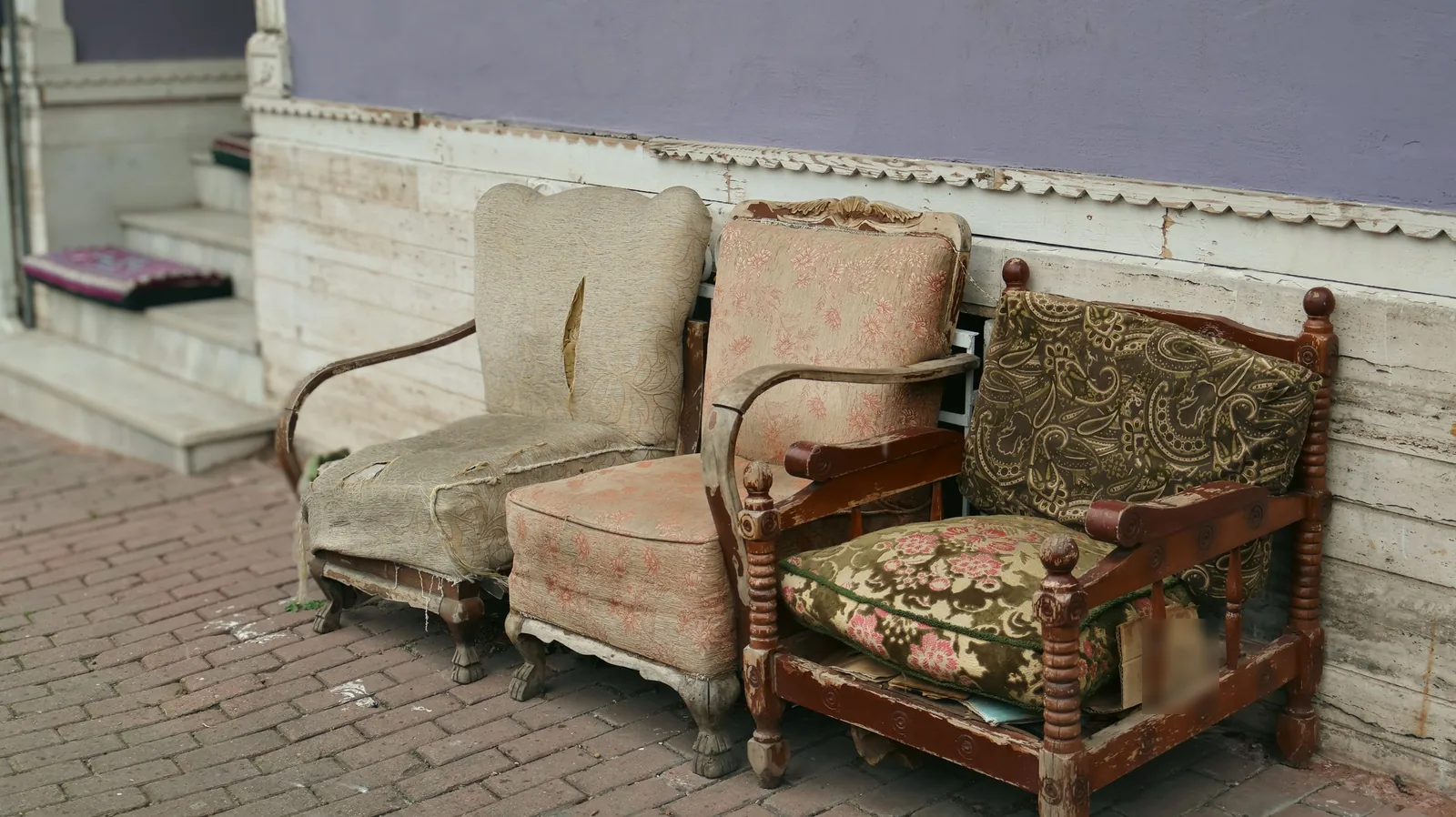
Selling a houseful of brown furniture at auction
A houseful of brown furniture is a different job from one dresser, and our guide on how to sell antique furniture compares the ways to sell it. On our sales, every lot is numbered, described and photographed, and all bidding happens online through HiBid, so bidders can look over a nightstand or a hutch in the photos before they bid. Larger lots are pickup only, so the posted pickup window matters for furniture.
Before anything is sold, settle who has the legal authority to sell it; for a small Wisconsin estate, see transfer by affidavit. Then tell us what you're working with. We work out of downtown Deerfield, about 15 minutes east of Madison, and antique furniture and trunks are among the categories in our past catalogs.
Common questions
What is considered brown furniture?
Brown furniture is the trade's nickname for traditional wood furniture: oak, walnut, mahogany and cherry dressers, tables, hutches, bedroom sets and chairs, whether antique or simply old. The term describes a style more than a color, and people often use it loosely for any older wood piece their family doesn't want to keep.
Is old brown furniture worth anything anymore?
Some of it finds buyers and some doesn't, and the color has little to do with it. A labeled, handmade or unusual piece can interest collectors, and a small, sturdy piece can interest someone furnishing a home. Big formal sets are harder. Nobody can judge it from one photo of the dining room, so have it looked at first.
Why don't younger people want their parents' furniture?
Reporting on the trend points to downsizing, fewer dining rooms, student debt, tight budgets and a move away from formal styles. That mostly hits large sets. Some younger buyers do want older wood pieces with history, especially smaller ones that fit an apartment, so ask your family before assuming the answer is no.
Should I paint or refinish old wood furniture before selling it?
No. The Canadian Conservation Institute says original finishes have historical, aesthetic and financial value and should be maintained, and buyers judge age and originality from that surface. A new coat of paint or stain can't be undone. Leave the piece exactly as it is until Marv has looked at it, and let the next owner decide.
Should a dining set be sold together or piece by piece?
It depends on the set, the pieces in it and who is likely to want them, so settle it at the consultation rather than by guessing. Until then, keep every chair, leaf, pad and key together, measure each piece, and take photos of the whole set. Call Marv at (608) 628-1631 to talk it through.
How do I get rid of old furniture nobody in the family wants?
Make disposal the last step. Ask the family first, then have the pieces looked at before anything is hauled, then consider donating what's sound, checking first what the charity accepts. The curb comes last. EPA figures show most discarded furniture and furnishings are landfilled, and once a piece is gone, nobody can change their mind.
Sources
- The Death of Brown Furniture, Yankee Magazine
- Hand-me-down, vintage furniture is finding a new generation of fans, The Atlanta Journal-Constitution
- Durable Goods: Product-Specific Data, U.S. Environmental Protection Agency
- Care of Furniture Finishes, CCI Notes 7/2, Canadian Conservation Institute